Iranians Mourn Khamenei Amidst Anti-US Sentiment and Retaliation Calls
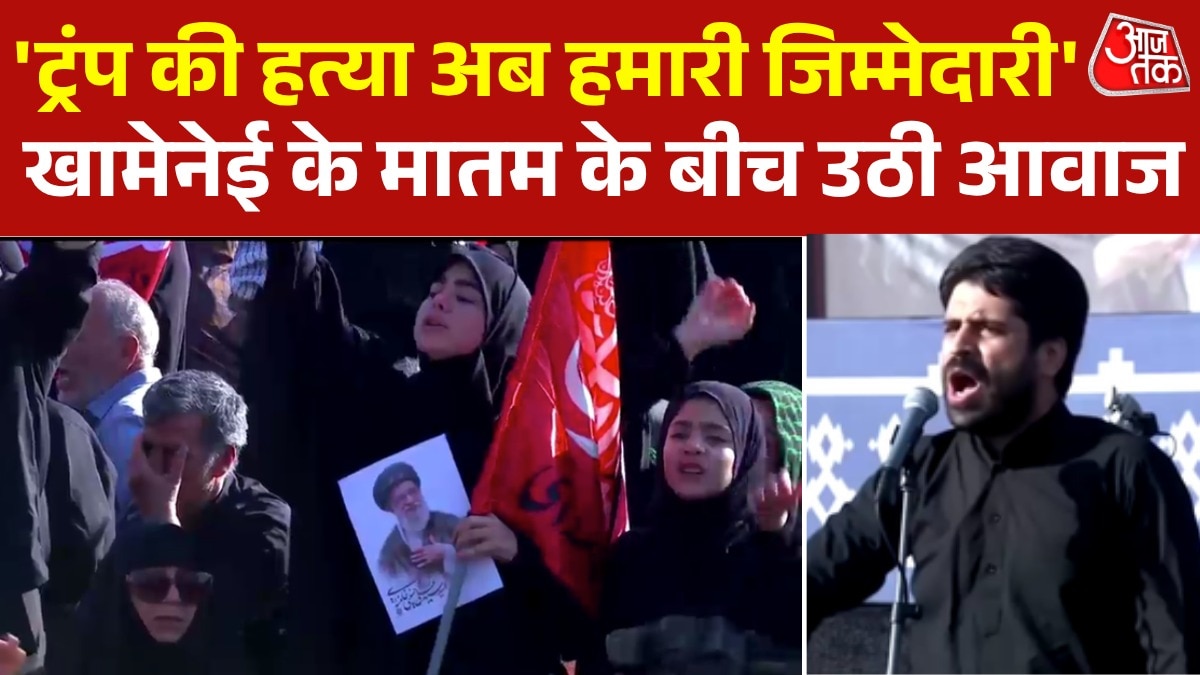
Iran is preparing to lay Ayatollah Ali Khamenei to rest, with representatives from numerous countries arriving in Tehran for the funeral. Despite the international attendance, significant public anger towards the United States persists within Iran. Khamenei's death on February 28, attributed to an American attack, has fueled calls for retaliation among the populace. Concurrently, President Trump has issued threats in his characteristic style. The outpouring of grief and anger highlights the deep-seated geopolitical tensions and the volatile atmosphere surrounding Khamenei's passing. The funeral proceedings are expected to be a focal point for expressing national sentiment and potentially shaping future diplomatic relations. The presence of international delegates underscores the global significance of the event and Iran's position on the world stage. The ongoing public demonstrations of animosity towards the US suggest a challenging path ahead for any potential de-escalation of regional conflicts. The situation remains tense as Iran navigates this period of mourning and political uncertainty.
The public display of anti-American sentiment during Ayatollah Khamenei's funeral, coupled with calls for retaliation, reflects deeply entrenched geopolitical grievances and nationalist fervor. While such expressions are common in contexts of perceived foreign aggression, they also serve to solidify domestic political narratives and rally support for hardline stances. The juxtaposition of mourning with demands for retribution highlights the complex interplay between national identity, historical grievances, and foreign policy objectives. From a systemic perspective, this event underscores the enduring challenges of managing international relations when domestic political pressures and public opinion are heavily influenced by historical conflicts and perceived injustices. The coming period will likely test the resilience of diplomatic channels and the potential for de-escalation, as both internal and external actors navigate the implications of this significant loss and the public's reaction.
AI-generated to prompt reflection — not editorial opinion, not advice, not a statement of fact. How this works.