Iraq Calls Urgent Security Meeting After US-Saudi Strikes on Iran-Linked Targets
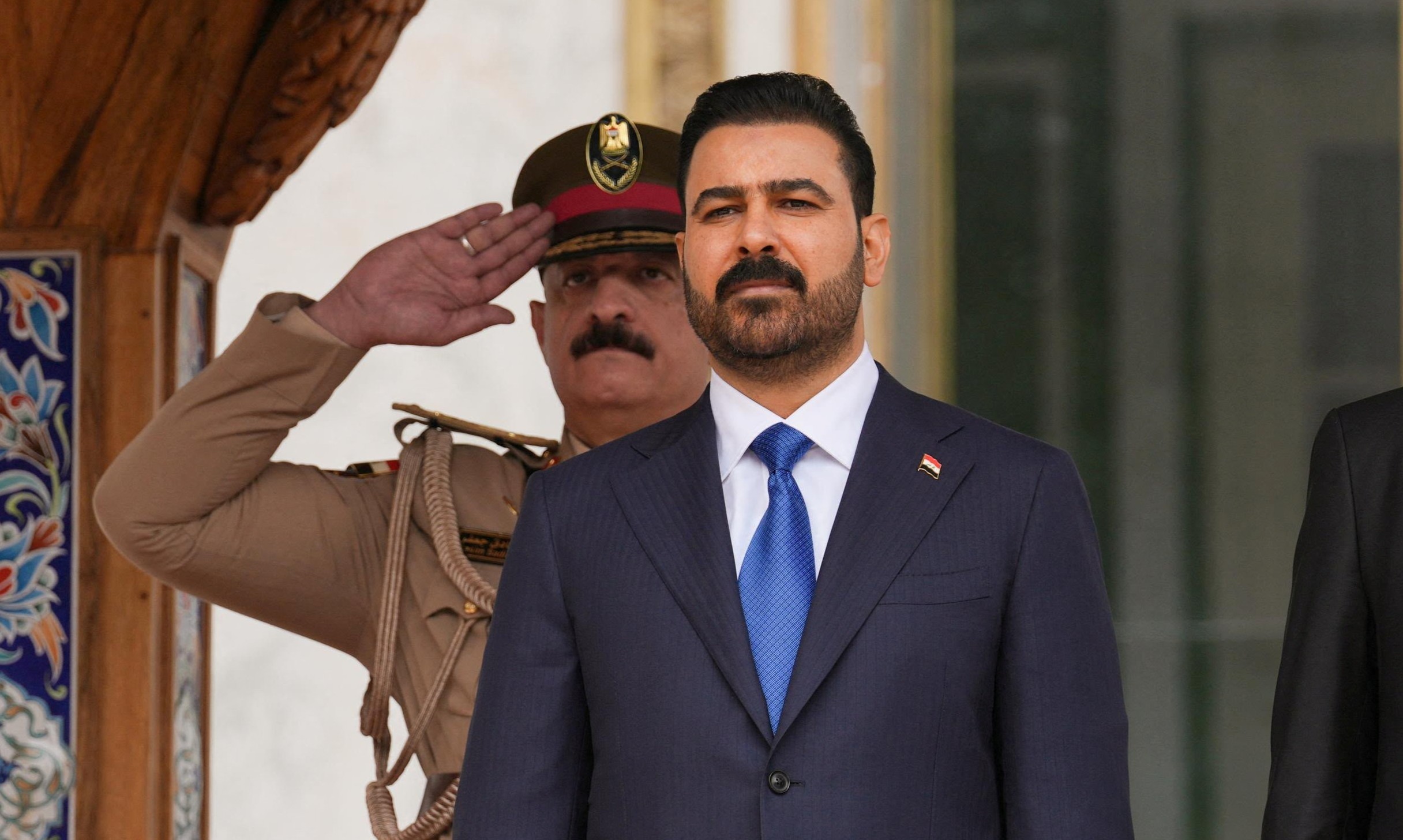
Iraqi Prime Minister Ali al-Zaidi has convened an urgent security meeting following coordinated strikes by the United States and Saudi Arabia against sites in eastern Iraq linked to Iran-backed groups. These strikes were a response to recent drone attacks on Saudi oil facilities and Iranian missile launches targeting American troops in the Middle East. The US Central Command confirmed intercepting Iranian ballistic missiles, while Iran's Revolutionary Guard claimed to have fired missiles at US military installations in Jordan. Saudi Arabia stated its operation was a direct response to attacks on its energy infrastructure and emphasized it does not seek escalation, but will react to further aggression. The Iraqi Popular Mobilization Authority (PMF) reported that several of its headquarters were hit, resulting in casualties and material damage. While the PMF is formally part of the Iraqi armed forces, some Iran-aligned factions operate independently. This exchange of attacks heightens the risk of regional conflict escalation, following a period of relative calm. Iran has denied involvement in the attacks on Saudi targets and dismissed accusations of orchestrating actions against US and Saudi interests as a "major miscalculation." The rising tensions have impacted global markets, with oil prices increasing by over $3 per barrel due to concerns about potential conflict escalation. The events unfold amidst ongoing disputes over control of the Strait of Hormuz, a critical chokepoint for global energy transport, with Iran rejecting a recent Omani proposal for shared regional management of the waterway.
The recent military actions by the US and Saudi Arabia against Iran-linked groups in Iraq, and Iran's retaliatory actions, underscore the persistent volatility in the Middle East. These events highlight the complex web of proxy conflicts and the strategic importance of energy transit routes like the Strait of Hormuz. The responses, while framed as defensive or retaliatory, carry inherent risks of unintended escalation, potentially drawing regional and global powers into a wider confrontation. The market reaction, with rising oil prices, demonstrates the immediate economic consequences of such geopolitical instability. Looking ahead, the challenge lies in de-escalation mechanisms that address the underlying security concerns of all parties involved, balancing national interests with the imperative of regional stability and the uninterrupted flow of global energy supplies.
AI-generated to prompt reflection — not editorial opinion, not advice, not a statement of fact. How this works.