Iraq's Shias: From Saddam's Repression to Khamenei's Funeral Procession
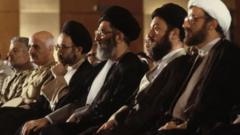
The transfer of Ayatollah Ali Khamenei's body from Iran to Iraq for funeral processions in Najaf and Karbala raises questions about the political and religious significance within the historical context of relations between the two countries. This event prompts an examination of the complex dynamics between Iran and Iraq, particularly concerning the Shia populations in both nations. The legacy of Saddam Hussein's regime, which involved the repression of Shia communities in Iraq, provides a stark contrast to the current scenario. The proposed funeral ceremonies in Najaf and Karbala, cities deeply significant to Shia Islam, suggest a potential reassertion of religious and political influence. Understanding the implications requires analyzing the historical grievances, the current geopolitical landscape, and the religious symbolism involved. The potential political and religious ramifications could reshape regional dynamics and the relationship between the Shia clergy and their followers in both Iran and Iraq. This event may also highlight the evolving role of religious leadership in contemporary Middle Eastern politics. The historical context of suppression under Saddam Hussein offers a backdrop against which to assess the current display of reverence and its potential impact on inter-state relations and internal Shia politics.
The potential transfer of Ayatollah Khamenei's remains to Iraq for funeral rites in Najaf and Karbala signifies a complex interplay of religious symbolism and geopolitical strategy. Historically, the Shia population in Iraq faced severe repression under Saddam Hussein's secular Ba'athist regime. The current proposal, if realized, could be interpreted as a powerful assertion of Iranian influence within Iraq's Shia heartland, leveraging shared religious identity to foster political alignment. This move might aim to solidify ties with Iraqi Shia communities and potentially counter regional rivals by emphasizing religious solidarity. However, the political implications are multifaceted, potentially stirring nationalist sentiments within Iraq and raising questions about sovereignty and external interference, even when framed within a religious context. The long-term impact will depend on how Iraqi religious and political authorities navigate this sensitive event, balancing internal dynamics with the broader regional power balance.
AI-generated to prompt reflection — not editorial opinion, not advice, not a statement of fact. How this works.