Iraqi couple sentenced in Germany for enslaving and abusing Yazidi girls
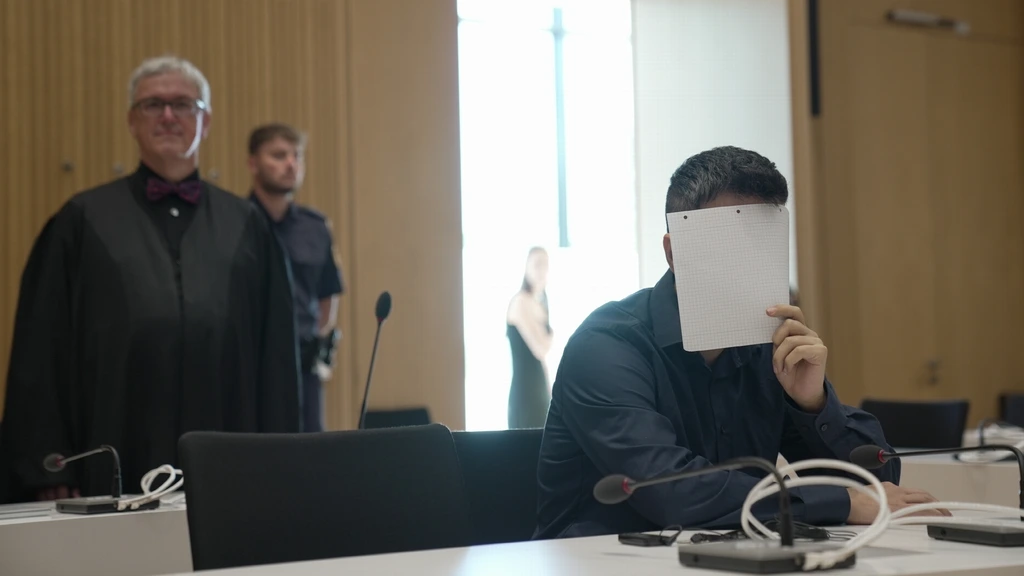
A German court has sentenced an Iraqi couple to lengthy prison terms for enslaving and abusing two Yazidi girls in Iraq. The 45-year-old man, identified as Twana H.S., received a life sentence for genocide, war crimes, crimes against humanity, and the rape of the two girls. His former partner, Asia R., 30, was sentenced to 9.5 years in juvenile detention because she was a minor at the time of the offenses. The court found that the couple purchased, exploited, and raped the girls, who were held as slaves in Iraq. Prosecutors stated the man bought the younger victim, then 5 years old, in 2015, and the older victim, then 12, two years later. The older victim, now 20, shared a statement in court, saying, "Even dogs were valued more than us." Both girls were allegedly subjected to rape, mistreatment, and forced domestic labor. The woman is accused of burning the younger girl's hand with hot water. Twana H.S., born in Iraq in 1981, arrived in Germany as an asylum seeker early this century and reportedly joined the Islamic State (IS) in 2015 after encountering extremist ideology in Munich. He met Asia R. there, and they married under Islamic law. IS had committed widespread atrocities, including the murder and enslavement of thousands of Yazidis, whom the group considered "devil worshippers." The couple was arrested in Bavaria in 2024. The man remained silent during the trial, while the woman expressed remorse. Her defense argued she grew up in IS territory, was forced into marriage, and has since distanced herself from IS ideology.
This case highlights the severe legal repercussions for individuals involved in atrocities committed by groups like IS, particularly concerning crimes against humanity and genocide. The sentencing reflects international legal frameworks that hold perpetrators accountable for enslaving and brutalizing vulnerable populations. The disparity in sentencing between the male and female defendants, considering the latter's age at the time of the offenses and claims of coercion, underscores the complexities in assigning culpability within extremist organizations. Future legal and societal responses will likely focus on addressing the systemic recruitment and indoctrination tactics employed by such groups, as well as providing long-term support for survivors of these horrific crimes. The case also serves as a stark reminder of the ongoing challenges in prosecuting war crimes and the critical role of survivor testimony in achieving justice.
AI-generated to prompt reflection — not editorial opinion, not advice, not a statement of fact. How this works.