Irish Poet and Rebel Joseph Plunkett Chose Love and Sacrifice on Eve of Execution
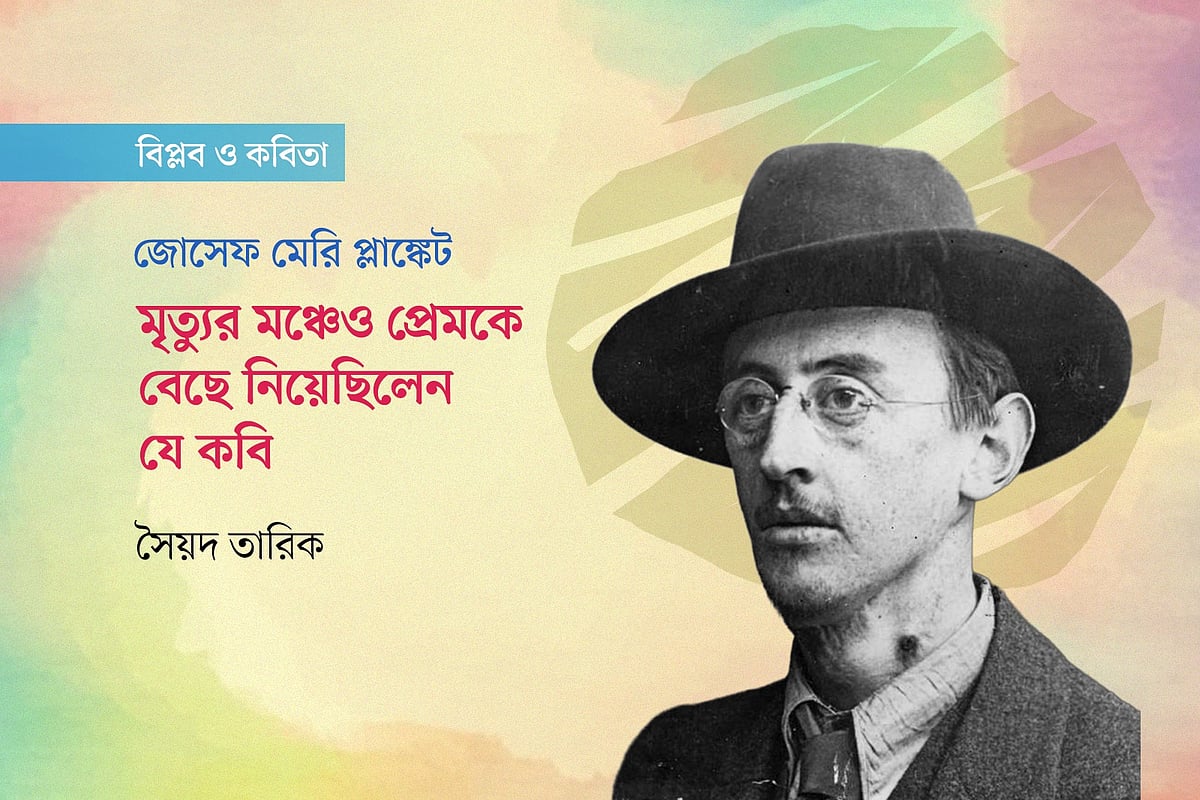
Joseph Mary Plunkett, an Irish revolutionary, poet, and nationalist, was a key figure in Ireland's struggle for independence. Born in Dublin in 1887 to a cultured Catholic family, Plunkett's life was marked by chronic illness, particularly tuberculosis, which fueled his early immersion in literature and philosophy. Despite his health challenges, he pursued education at Stonyhurst College and University College Dublin, developing interests in science, agriculture, and philosophy alongside his literary pursuits. He became a fervent Irish nationalist, advocating for a republic free from British rule and joining organizations like the Irish Volunteers and the Irish Republican Brotherhood (IRB). In 1915, he attempted to procure arms in Germany for the Irish cause. Plunkett was a principal planner and leader of the 1916 Easter Rising, a significant armed rebellion against British rule. He fought alongside leaders like James Connolly and Patrick Pearse, even leading rebels from the General Post Office in Dublin while in poor health. Following the rebellion's failure, Plunkett was arrested by the British army. In a poignant turn of events, he was granted permission to marry his fiancée, Grace Gifford, just hours before his execution. Plunkett was executed by firing squad on May 4, 1916, at the age of 28. His brief but intense life, characterized by patriotism, spiritual philosophy, and poetry, left an indelible mark on Irish history and literature. His most famous poetry collection is 'The Circle and the Sword,' which reflects his revolutionary ideals and love for Irish nationalism. His work often explores themes of patriotism, spiritualism, human love, and mortality, drawing parallels with mystical poets like William Blake and Dante. Grace Gifford, an artist and activist, remained a devoted supporter of Irish independence throughout her life, cherishing Plunkett's memory. Their tragic love story and sacrifice are deeply ingrained in Irish national consciousness, inspiring songs, plays, and films.
The narrative of Joseph Mary Plunkett's life and death highlights the potent intersection of political idealism, artistic expression, and personal sacrifice. His story, framed by the dramatic events of the Easter Rising and his final moments, serves as a powerful symbol within Irish national identity. From a systems perspective, Plunkett's actions represent a commitment to a nationalist ideology that prioritized national sovereignty above personal well-being, a common dynamic in anti-colonial movements. His poetry, imbued with spiritual and patriotic fervor, demonstrates how art can be a vehicle for political messaging and emotional mobilization. The enduring impact of his sacrifice suggests that such acts, particularly when coupled with romanticized personal narratives like his marriage before execution, can galvanize public sentiment and influence historical trajectories, even when immediate military objectives are not met. This case illustrates the complex interplay between individual agency, historical context, and the construction of national narratives, where martyrdom can become a more potent force than battlefield victory.
AI-generated to prompt reflection — not editorial opinion, not advice, not a statement of fact. How this works.