Irregular Airfield Linked to Fatal Plane Crash in Palmas, Brazil
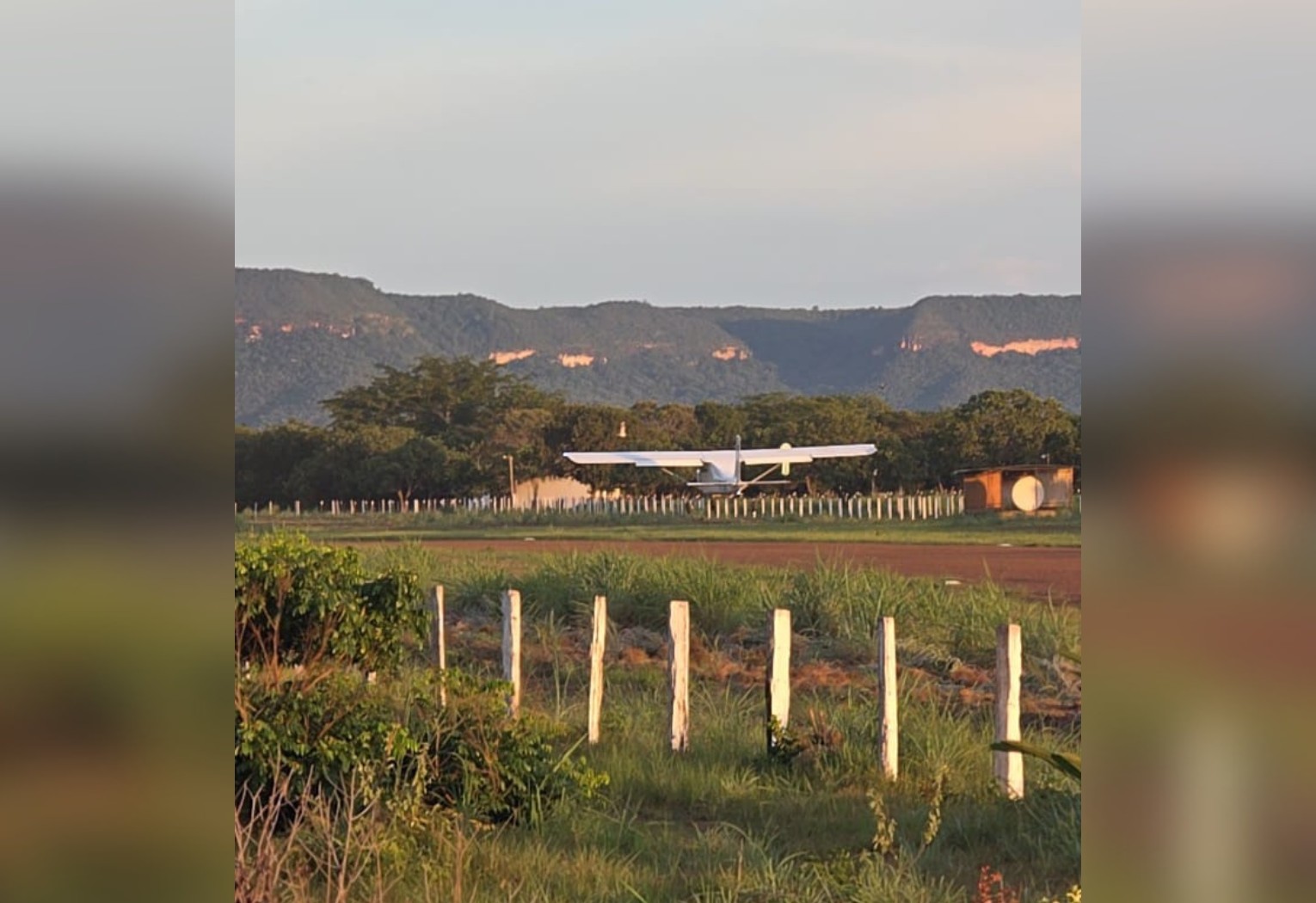
An aircraft that crashed shortly after takeoff near Palmas, Brazil, killing a couple, had departed from an irregular airfield. The Condomínio Sítio Flyer airfield has been officially inactive and its runway interdicted by the National Civil Aviation Agency (Anac) for at least a year due to unresolved registration issues and safety concerns. Anac documents reveal that the airfield lacks authorization for operations because of persistent pending matters and operational risks, including a failure to complete ownership transfer and legal representative documentation since 2020. The agency confirmed Sítio Flyer is not on the list of authorized airfields in Palmas, with only two private areas currently operating legally. The EMB-721C aircraft crashed into dense vegetation on Saturday, May 18th, resulting in the deaths of Dr. Éderson da Silva, 68, and his wife, Roseli Amarilda Pechulo Silva, 62. The pilot survived and is hospitalized in serious condition. The airfield's regulatory problems stem from a stalled cadastral alteration process initiated in 2020, a lack of property ownership proof, and the absence of a legal representative's electronic power of attorney. Anac cited administrative inaction and presumed risk to aviation safety as reasons for the total interdiction. Reports indicate the airfield is also subject to a legal dispute over its possession, with unauthorized flights reportedly occurring despite the interdiction.
The fatal crash highlights systemic vulnerabilities arising from the intersection of private aviation operations and regulatory oversight. The prolonged inactivity and interdiction of the Sítio Flyer airfield, coupled with ongoing legal disputes over its ownership, suggest a breakdown in accountability and enforcement mechanisms. This situation raises questions about the efficacy of Anac's preventative measures when faced with persistent non-compliance and potential clandestine operations. Looking forward, the incident underscores the critical need for robust systems that ensure continuous monitoring, swift enforcement, and clear lines of responsibility for aviation infrastructure, particularly in areas where private and public interests converge, to mitigate risks to public safety and prevent future tragedies.
AI-generated to prompt reflection — not editorial opinion, not advice, not a statement of fact. How this works.