Irregular Kennel in Recife Shut Down; Woman Arrested, 41 Animals Rescued
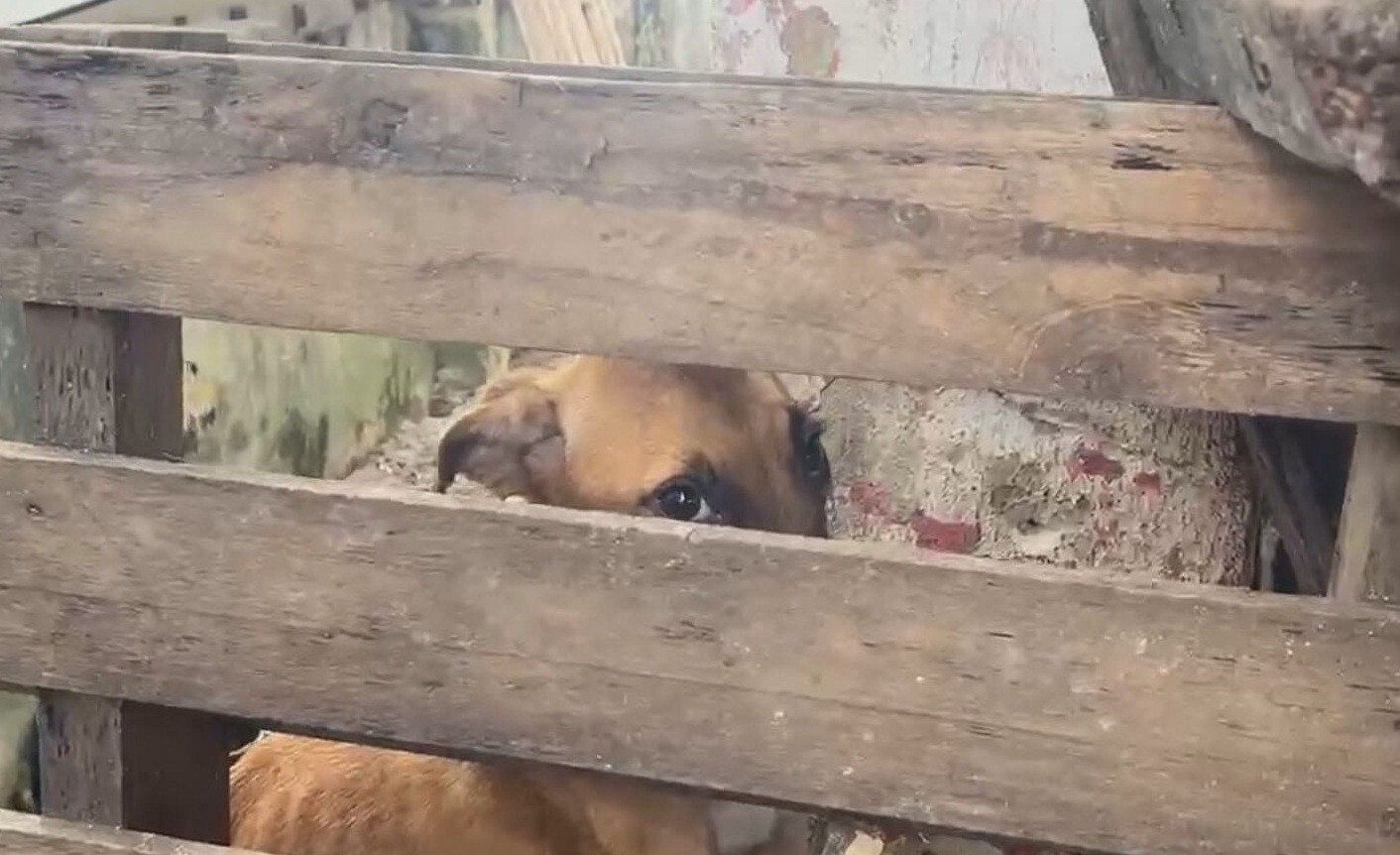
Authorities in Recife, Brazil, have shut down an illegal animal kennel located in the Jardim São Paulo neighborhood of the city's West Zone. During the operation on Tuesday, May 14th, a 29-year-old woman, identified as Rosilane Leopoldina de Oliveira, was arrested on charges of cruelty to animals. A total of 41 animals, including 39 dogs and two cats, were rescued from the facility, all exhibiting signs of mistreatment and malnutrition. Tragically, two deceased animals were also discovered at the scene. The rescued animals have been transferred to shelters and the Recife Veterinary Hospital for necessary treatment. The operation was a joint effort involving the Environmental Police Department (Depoma), the Military Police (PM), and the Recife City Hall. The city administration initiated the investigation after receiving complaints through the SOS Animal channel on Conecta Recife. Technicians from the Office of Animal Protection and Defense, along with the Environmental Surveillance Center (CVA) and military police, confirmed the severe irregularities upon visiting the site. They observed numerous dogs confined and noted widespread lack of hygiene within the kennel. The Civil Police stated that investigations are ongoing to fully clarify the facts. The Recife City Hall has provided contact information for reporting animal mistreatment, including a phone number and the SOS Animal channel.
This incident highlights the critical role of citizen reporting and inter-agency collaboration in addressing animal welfare violations. The discovery of an unregulated kennel operating with such severe neglect and cruelty suggests potential gaps in proactive regulatory oversight and enforcement mechanisms. Moving forward, systemic analysis should consider how to enhance surveillance and early detection of such operations, potentially through improved data analysis of citizen complaints and more frequent, unannounced inspections of facilities that handle animals. The long-term challenge lies in creating robust frameworks that deter such practices and ensure humane treatment, balancing public safety with the ethical responsibilities towards vulnerable populations.
AI-generated to prompt reflection — not editorial opinion, not advice, not a statement of fact. How this works.