Is 25,000 Rupees Sufficient Compensation for State-Caused Humanitarian Crisis?
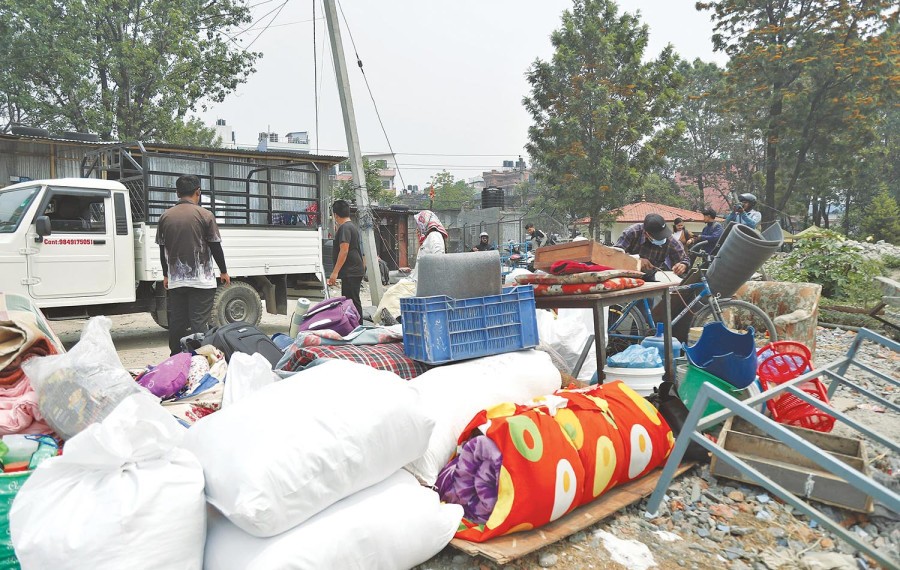
This article questions whether a one-time payment of 25,000 Rupees can adequately compensate individuals affected by a state-induced humanitarian crisis. It raises concerns about the sufficiency of financial aid to address the profound destruction of homes and the broader social, economic, and emotional foundations of people's lives. The core of the inquiry lies in the inadequacy of monetary compensation to restore the multifaceted elements that constitute a stable and fulfilling existence for those impacted by such crises. The piece suggests that the long-term consequences of state actions leading to humanitarian emergencies extend far beyond immediate material losses.
The adequacy of compensation in humanitarian crises often hinges on the differing perspectives of affected populations and governing bodies. While financial settlements aim to address immediate material losses, they may not fully account for the intangible costs of displacement, loss of livelihood, and psychological trauma. Future policy considerations could explore more holistic approaches to restitution, integrating long-term social and economic support alongside financial aid. Examining the systemic factors that lead to state-induced crises is crucial for developing preventative measures and ensuring more robust recovery frameworks that prioritize human well-being over purely financial metrics.
AI-generated to prompt reflection — not editorial opinion, not advice, not a statement of fact. How this works.