Is Eating Only Fish and No Meat Healthy?
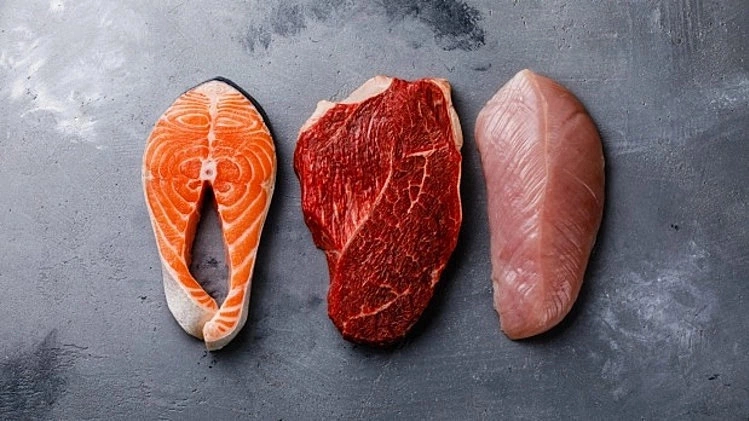
A 37-year-old individual from Hanoi, identified as Hoan, has recently eliminated red meat from their diet, opting to consume only fish. This dietary change was motivated by the belief that fish is more nutritious and healthier than meat. Hoan is now seeking to understand the health implications of this decision, specifically whether a diet consisting solely of fish, without any meat, is beneficial.
The question highlights a common dietary consideration regarding the balance of nutrients and the potential benefits and drawbacks of excluding entire food groups. Hoan's inquiry suggests a desire for clarity on the long-term effects and overall healthfulness of such a restrictive eating pattern.
The shift to a fish-only diet, while potentially increasing intake of omega-3 fatty acids and lean protein, raises questions about nutritional completeness. Excluding red meat entirely may lead to deficiencies in certain micronutrients like vitamin B12, iron, and zinc, which are abundant in meat and not always readily available in equivalent forms or quantities from fish alone. A balanced approach, perhaps incorporating a variety of protein sources and considering supplementation if necessary, would likely offer a more robust nutritional profile. Future dietary guidelines may increasingly emphasize personalized nutrition plans that account for individual needs and potential risks associated with restrictive eating patterns, especially as the population ages and chronic disease prevalence shifts.
AI-generated to prompt reflection — not editorial opinion, not advice, not a statement of fact. How this works.