Is Head Shaving Necessary for Hair Transplants?
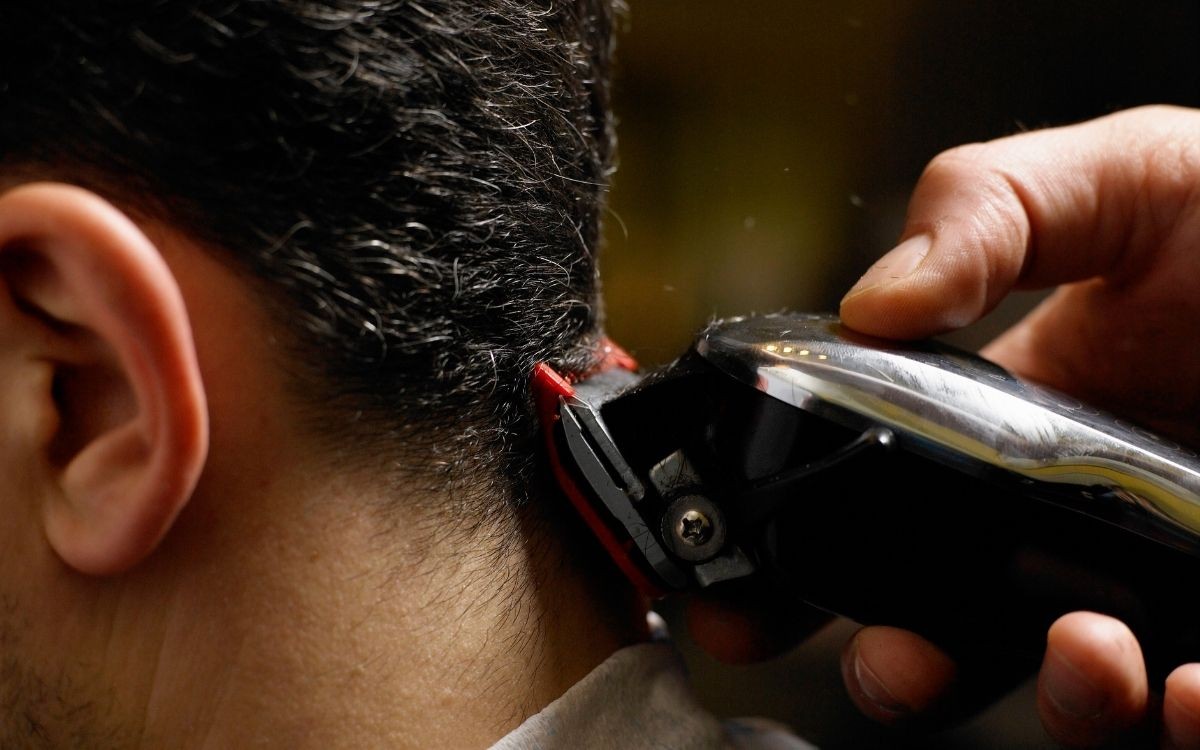
Shaving the donor area significantly enhances follicle visualization and precision during hair transplant procedures. While techniques like 'no-shave FUE' exist, they are typically reserved for specific cases and have limitations, making a complete shave the standard practice in most specialized clinics. Men frequently undergo full head shaving, whereas women usually have only a strip on the posterior scalp shaved, which is concealed by longer hair for discretion during recovery. The decision for shaving depends on individual patient characteristics, the required number of grafts, and the medical team's strategy.
Shaving allows medical teams to better see follicles, identify their natural growth direction, and perform extraction and implantation with greater accuracy. It also simplifies graft handling and procedural organization. Key benefits include improved donor area visualization, enhanced precision in follicle extraction and graft implantation, increased surgical speed, and easier post-operative care and healing monitoring. Although some patients, particularly men who use their hair to mask baldness, may resist shaving, understanding that the shaved look is temporary and crucial for a more precise and secure surgery often leads to patient cooperation.
After the surgery, the visual impact of shaving is temporary, typically lasting only a few weeks as donor area hair regrows and blends in. Many patients schedule procedures during vacations or remote work periods for privacy. The shaved appearance becomes less noticeable within weeks, though regrowth rates vary individually. The quality of the outcome hinges on planning, team experience, and graft distribution, not solely on shaving.
The necessity of shaving for hair transplants highlights a common tension between procedural efficiency and patient aesthetic concerns. While shaving offers clear technical advantages for surgeons by improving visibility and precision, it can create temporary psychological discomfort for patients concerned about appearance during recovery. This situation underscores the importance of clear communication and expectation management in medical procedures. Future advancements in hair transplantation might focus on minimally invasive techniques that reduce or eliminate the need for extensive shaving, thereby balancing surgical efficacy with immediate post-operative patient comfort and privacy, potentially leveraging AI for enhanced visualization even with longer hair.
AI-generated to prompt reflection — not editorial opinion, not advice, not a statement of fact. How this works.