Is It Safe to Drink Rainwater Directly?
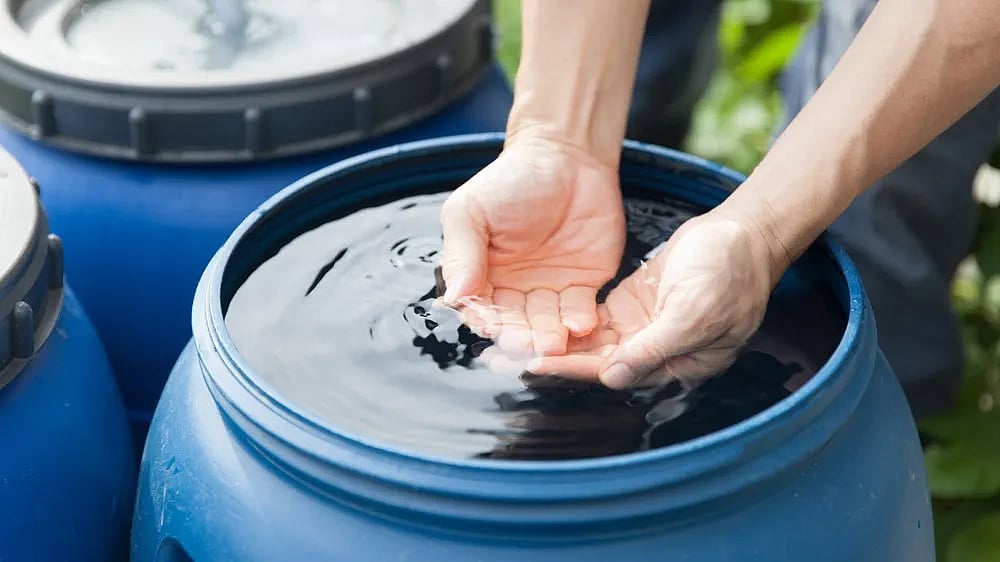
The safety of drinking rainwater directly depends heavily on the area where one lives. Rainwater in urban environments tends to be more contaminated due to higher levels of air pollution, specifically smog. However, if rainwater is collected using modern and clean methods, and then thoroughly boiled, it can be made safe for consumption. The original text suggests that while urban rain might be dirtier, proper collection and purification processes are key to ensuring its drinkability. It implies that the source of the rain and the collection method are the primary determinants of its safety, rather than the rain itself being inherently unsafe.
The safety of consuming untreated rainwater is contingent upon environmental factors, particularly urban air quality and collection hygiene. While rainwater is a natural resource, atmospheric pollutants can readily contaminate it, especially in densely populated or industrialized areas. The practice of boiling water, a universally recognized purification method, addresses microbial contaminants. However, this does not mitigate chemical or particulate matter pollution. Future water security strategies will likely need to balance the utilization of decentralized sources like rainwater with robust, scalable purification technologies and stringent environmental regulations to manage atmospheric pollution.
AI-generated to prompt reflection — not editorial opinion, not advice, not a statement of fact. How this works.