Is it safe to sleep with your head covered?
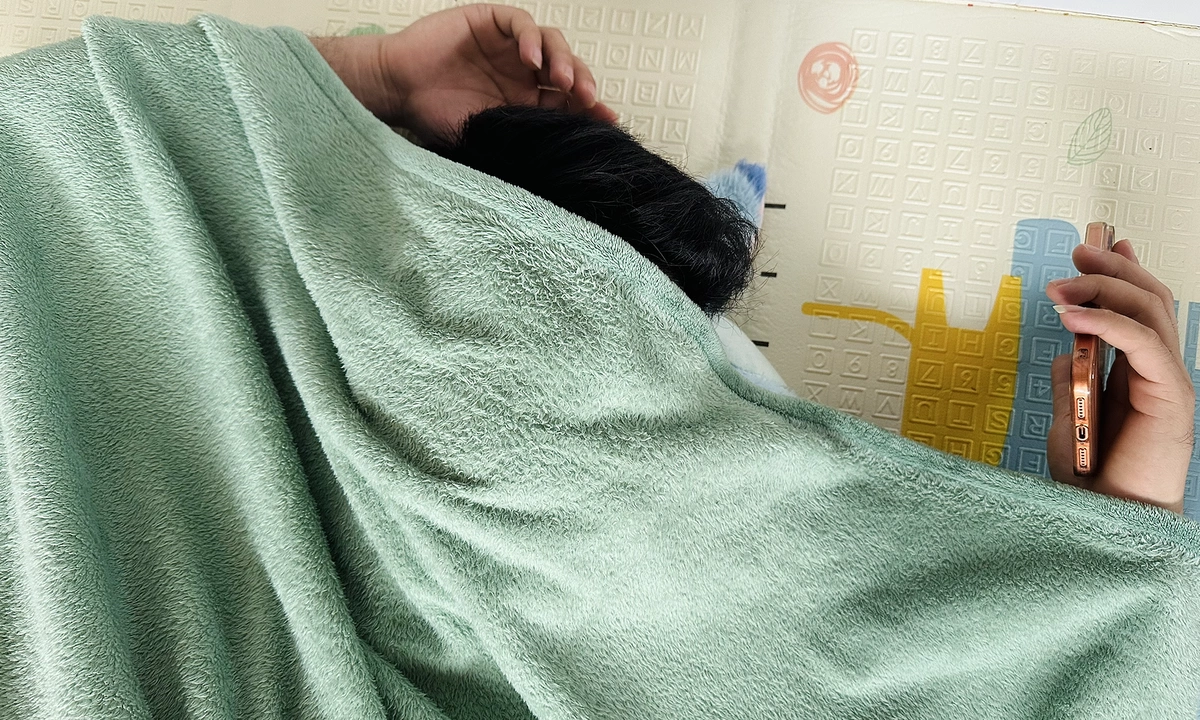
Sleeping with your head completely covered carries several potential health risks. This habit can lead to suffocation due to reduced oxygen intake and increased carbon dioxide levels. Furthermore, the enclosed environment can foster the growth of bacteria, potentially leading to infections. It may also exacerbate or trigger sleep apnea, a condition characterized by pauses in breathing during sleep. Individuals who sleep with their heads covered might experience less restful sleep, leading to daytime fatigue and a general feeling of stuffiness or discomfort. These negative effects stem from the compromised air quality and restricted breathing associated with covering the head while sleeping.
The practice of covering one's head during sleep, while seemingly a personal comfort choice, can have physiological consequences related to air quality and respiratory function. From a public health perspective, understanding these effects is crucial for promoting healthy sleep hygiene. The potential for reduced oxygen and increased carbon dioxide levels, alongside bacterial growth in confined spaces, highlights the importance of adequate ventilation for well-being. While individual experiences may vary, the underlying principle of maintaining optimal breathing conditions during sleep is universally beneficial. Future considerations might involve exploring how environmental factors and personal habits interact to influence sleep quality and overall health, particularly in diverse living conditions.
AI-generated to prompt reflection — not editorial opinion, not advice, not a statement of fact. How this works.