Is Japanese Encephalitis Rising with Lychee Season?
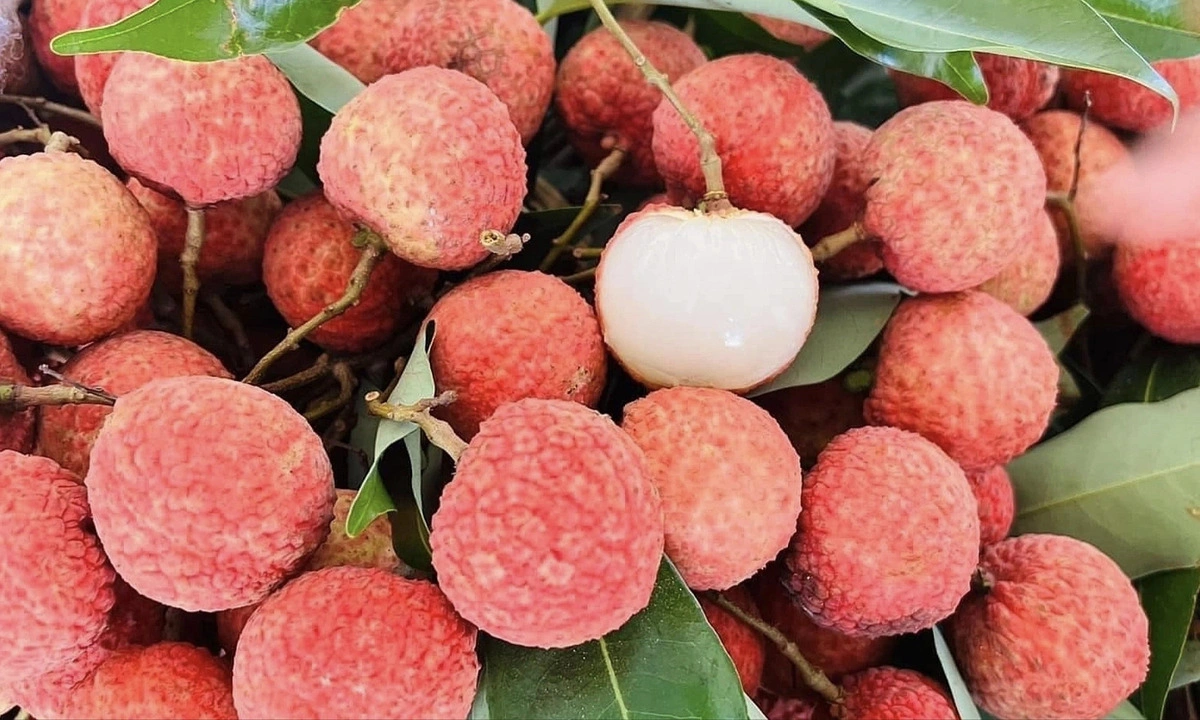
A 20-year-old resident of Ho Chi Minh City, An Ha, has observed a recurring pattern where cases of Japanese Encephalitis appear to increase during the lychee harvesting season each year. She is inquiring whether there is a discernible correlation or scientific basis for this observed trend. The question suggests a potential link between the consumption or availability of lychees and the incidence of the disease. Japanese Encephalitis is a serious neurological disease transmitted by mosquitoes, particularly prevalent in rural and agricultural areas of Asia. The disease can cause severe symptoms, including fever, headache, and in some cases, inflammation of the brain, leading to long-term disability or death. While mosquitoes are the primary vectors, environmental factors and human behavior can influence exposure rates. An Ha's observation prompts an investigation into potential environmental or behavioral factors that might coincide with the lychee season and affect mosquito populations or human contact with them. Further information would be needed to determine if this is a statistically significant trend or a coincidental observation.
The inquiry into a potential link between lychee season and Japanese Encephalitis cases highlights the importance of understanding disease vector ecology and seasonal human behaviors. While mosquitoes are the confirmed vectors for Japanese Encephalitis, a correlation with fruit seasons might suggest indirect environmental factors. These could include changes in agricultural practices during harvest, increased outdoor human activity coinciding with fruit availability, or altered mosquito breeding grounds influenced by seasonal water patterns. A rigorous epidemiological study would be necessary to ascertain if the observed increase is statistically significant or merely coincidental. Such analysis would involve controlling for other known risk factors and seasonal variations in mosquito populations. Understanding these dynamics is crucial for developing targeted public health interventions that align with local agricultural and climatic cycles, thereby optimizing prevention strategies.
AI-generated to prompt reflection — not editorial opinion, not advice, not a statement of fact. How this works.