Is Letting Children Play in the Dirt Beneficial? A Doctor's Perspective
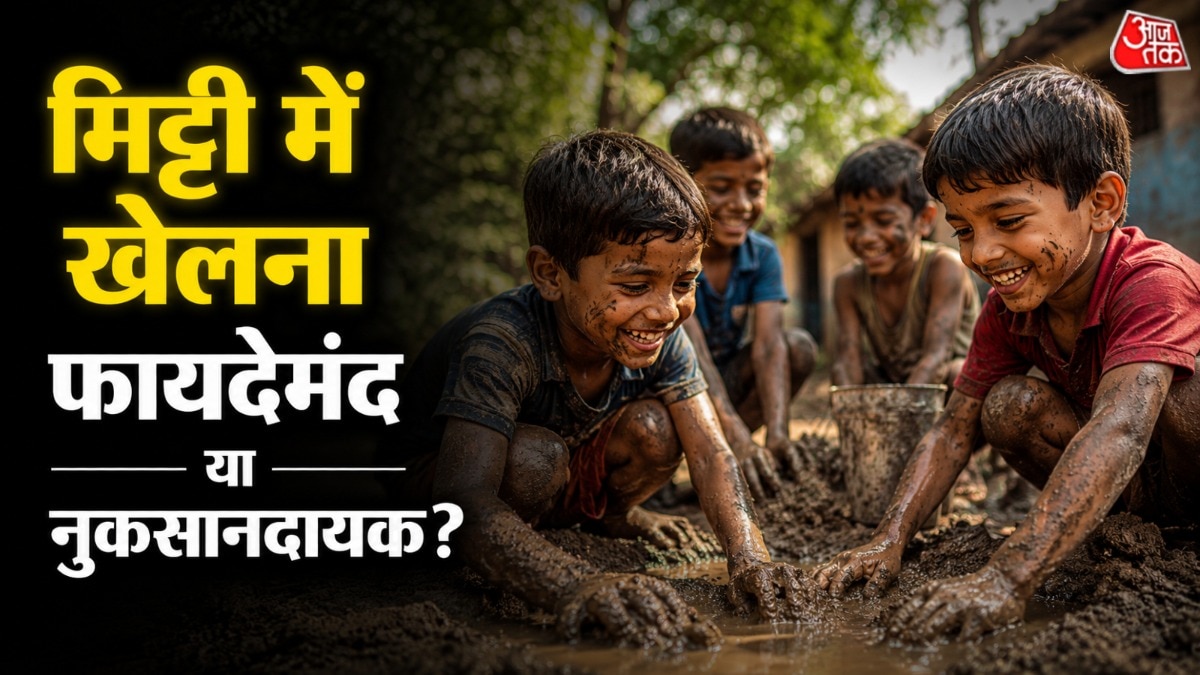
It is not always necessary to shield children from germs. Limited exposure to soil in a safe and natural environment can aid in the development of their microbiome and immune system. This approach suggests that a completely sterile environment may not be optimal for a child's growing defenses. Allowing children to interact with the natural world, including soil, can contribute positively to their overall health development. Doctors advise that such exposure, when managed appropriately, can be a beneficial part of childhood.
The assertion that controlled exposure to soil can benefit a child's immune system aligns with the hygiene hypothesis, suggesting that reduced microbial exposure in early life may increase susceptibility to allergies and autoimmune diseases. From a public health perspective, balancing the benefits of microbial diversity with the risks of pathogen exposure is crucial. Future public health strategies might explore ways to safely integrate natural environmental interactions into early childhood development, considering both immunological benefits and infectious disease prevention. This approach prompts consideration of how societal norms around cleanliness may need to evolve in light of scientific understanding of the microbiome.
AI-generated to prompt reflection — not editorial opinion, not advice, not a statement of fact. How this works.