Is 'Parachute Journalism' the Best Way to Cover War?
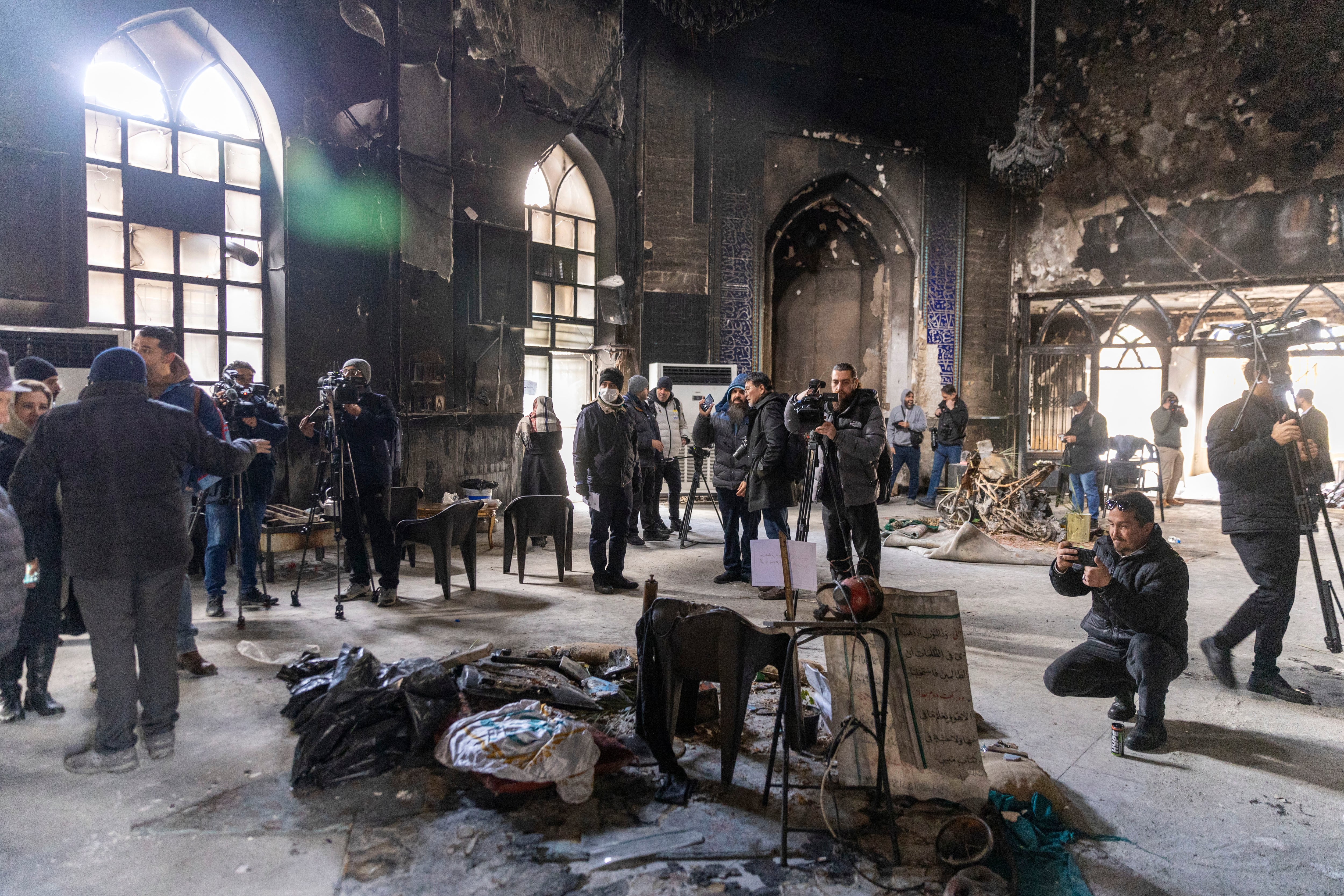
The practice of sending reporters on short assignments to conflict zones without deep knowledge of the local terrain is facing increasing criticism. This approach, known as 'parachute journalism,' is being questioned by journalists and observers both in the Global North and the Global South. The core of the debate revolves around whether this method is effective for accurately and ethically reporting on complex war situations. Critics argue that brief, unrooted assignments prevent reporters from building trust with local sources, understanding the nuances of the conflict, and providing context that goes beyond surface-level observations. This can lead to superficial reporting that may inadvertently perpetuate stereotypes or misinformation. The question now is whether this journalistic practice needs to evolve to better serve the public's need for comprehensive and responsible war coverage. The ongoing discussion highlights a potential shift in how news organizations approach reporting from volatile regions, prompting a re-evaluation of established methods.
The practice of parachute journalism, while efficient for rapid deployment, raises questions about journalistic integrity and the depth of reporting from conflict zones. This model prioritizes speed and access over sustained engagement and contextual understanding, potentially leading to narratives that lack nuance and local perspective. The inherent incentive structure favors immediate news delivery over long-term investigative work or relationship-building with affected communities. In an era increasingly defined by the need for verifiable, context-rich information, especially concerning geopolitical events, a re-evaluation of such practices is warranted. Exploring alternative models that foster deeper local connections and longer-term reporting could enhance the accuracy and ethical standing of war journalism, mitigating the risk of superficial or biased coverage.
AI-generated to prompt reflection — not editorial opinion, not advice, not a statement of fact. How this works.