Is President Mohammed Shahabuddin Resigning? What Would Be the Constitutional Process?
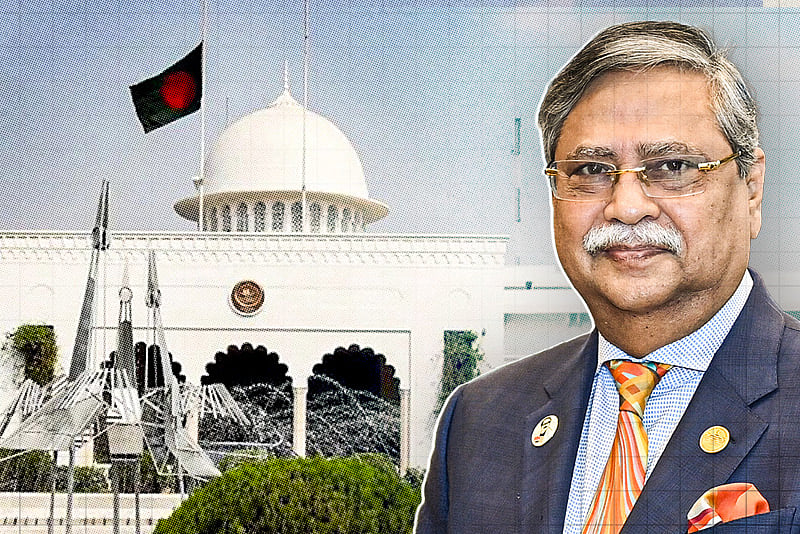
Speculation is mounting regarding the potential resignation of Bangladesh's President Mohammed Shahabuddin. The question of his potential departure has led to discussions about the constitutional procedures that would be enacted in such a scenario. If the President were to resign, the Constitution of Bangladesh outlines a specific sequence of events to ensure a smooth transition of power. This process is designed to maintain the stability of the state and uphold the democratic framework. The exact implications and steps involved are crucial for understanding the country's governance structure. Further details on the constitutional provisions governing presidential resignation and succession are essential for a complete picture. The public and political observers are keen to understand the ramifications of any such move. The constitutional framework provides a clear path for continuity in leadership. This situation highlights the importance of established legal and political mechanisms in times of uncertainty. The adherence to these procedures is paramount for national stability.
The circulating questions about the President's potential resignation prompt an examination of Bangladesh's constitutional mechanisms for leadership transitions. Such inquiries underscore the importance of robust governance frameworks that ensure continuity and stability, particularly in the context of executive power. Understanding the constitutional succession plan is vital for maintaining public trust and preventing political vacuum. This situation invites reflection on the interplay between political discourse and established legal processes, emphasizing the need for clear communication and adherence to constitutional mandates to navigate potential leadership changes effectively.
AI-generated to prompt reflection — not editorial opinion, not advice, not a statement of fact. How this works.