Is Pterygium Dangerous?
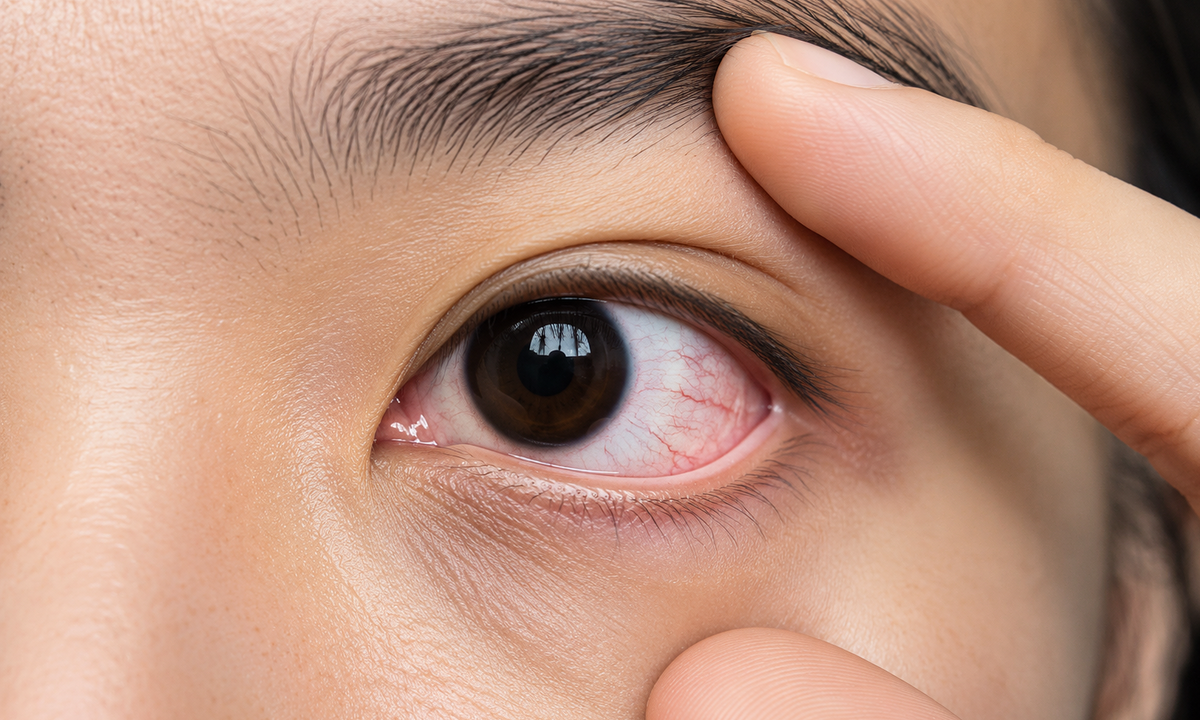
Pterygium, commonly known as 'mộng thịt' in Vietnamese, is a fleshy growth that typically develops on the conjunctiva, the clear membrane covering the white part of the eye. While often benign and slow-growing, pterygia can pose risks if they continue to enlarge. As the growth progresses, it can lead to astigmatism, a refractive error that causes blurred vision. Furthermore, a significant increase in size can result in a reduction of overall visual acuity, impairing a person's ability to see clearly. This can ultimately impact daily activities that require good vision. Early detection and monitoring are important for managing potential complications associated with pterygium growth.
Pterygium, a common ocular condition, presents a trade-off between its generally benign nature and the potential for vision impairment. Environmental factors, particularly prolonged exposure to sunlight, wind, and dust, are widely considered primary contributors to its development. While surgical intervention exists for symptomatic cases, the recurrence rate necessitates careful consideration of treatment strategies. The long-term management of pterygium highlights the intersection of environmental health and personal well-being, underscoring the importance of preventative measures and accessible eye care.
AI-generated to prompt reflection — not editorial opinion, not advice, not a statement of fact. How this works.