Is Publicly Correcting Facebook Errors Online Ever Justified?
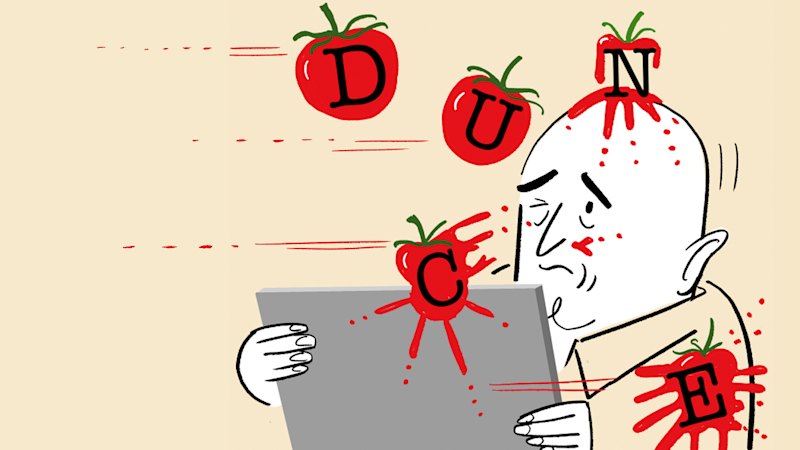
The practice of publicly correcting perceived mistakes made by others on social media platforms like Facebook can be perceived as self-righteous, according to a Modern Guru. While the impulse to correct may feel justified in the moment, this approach is also described as inherently cruel. The advice suggests that such public call-outs, often referred to as 'language shaming,' can inflict unnecessary social harm. The Modern Guru's perspective emphasizes the negative emotional and social consequences of publicly highlighting others' errors online. This caution implies that a more private or empathetic approach might be preferable when addressing perceived inaccuracies or missteps in online communication. The core message warns against the potentially damaging effects of public online shaming, even when the intention is to correct a factual error or grammatical mistake.
The dynamics of online interaction often incentivize performative correction, where individuals gain social capital by publicly identifying and rectifying others' perceived errors. This behavior, while potentially stemming from a desire for accuracy, can create a hostile digital environment. From a systems perspective, platforms could explore features that encourage private feedback mechanisms over public shaming, thereby fostering more constructive communication. Considering the long-term evolution of digital social norms, the prevalence of such public criticism may hinder open expression and learning, suggesting a need for a re-evaluation of how digital communities manage error and correction to promote healthier online discourse.
AI-generated to prompt reflection — not editorial opinion, not advice, not a statement of fact. How this works.