Is Saving Money Enough for a Secure Future in Bangladesh?
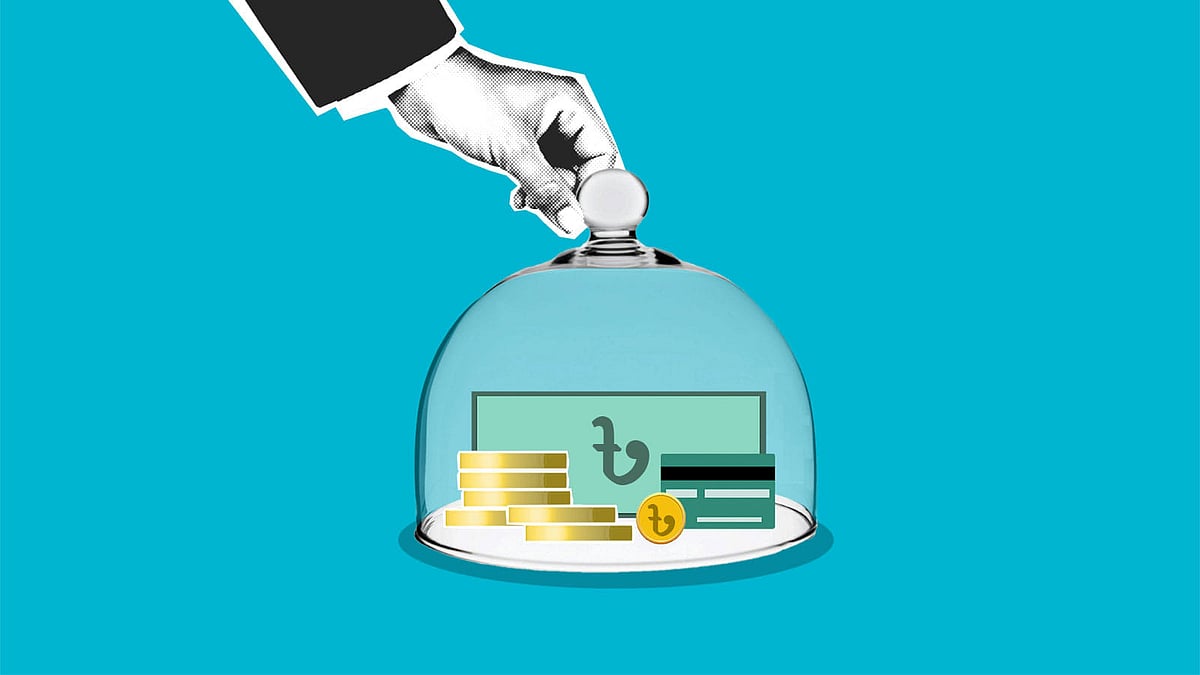
The question of whether simply saving money is sufficient for a secure future is a pressing concern in Bangladesh. Many citizens observe that the purchasing power of money has significantly diminished, making it difficult to buy goods that were previously affordable. This sentiment is frequently expressed in local markets, where people lament the rising cost of living and the declining value of their savings. The current economic reality suggests that traditional saving strategies may not be adequate to ensure financial stability in the face of persistent inflation. This situation highlights a broader challenge for individuals and families seeking to build long-term financial security in the country. The diminishing value of savings due to inflation raises questions about the effectiveness of current financial planning approaches.
The sentiment expressed reflects a common challenge in economies experiencing high inflation, where the real value of savings erodes over time. This dynamic creates a disconnect between nominal savings and actual future purchasing power. For individuals, it necessitates a re-evaluation of traditional financial strategies beyond simple accumulation. Exploring investment vehicles that historically outpace inflation, or seeking income-generating assets, may become increasingly critical. From a policy perspective, managing inflation and ensuring stable economic growth are paramount to protecting citizens' long-term financial well-being and fostering confidence in the national economy. The situation underscores the importance of financial literacy and adaptive planning in navigating evolving economic landscapes.
AI-generated to prompt reflection — not editorial opinion, not advice, not a statement of fact. How this works.