Is Serving 3 Rotis on a Plate Considered Inauspicious?
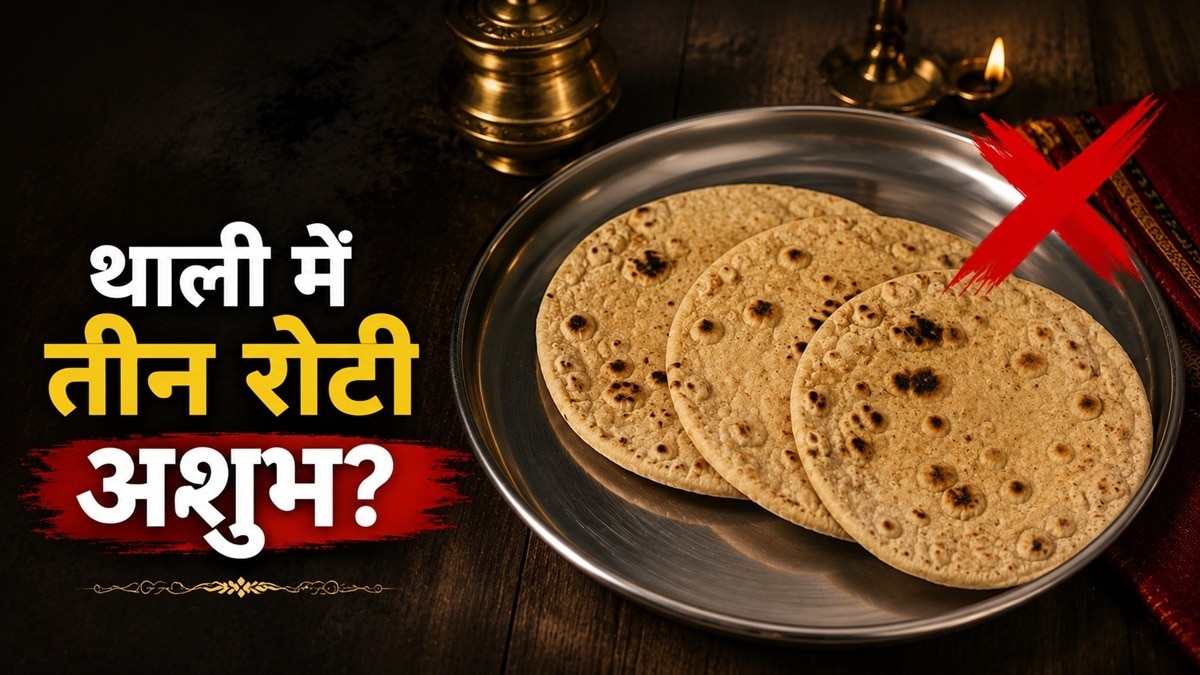
Traditional beliefs hold that food, particularly roti (bread), is a manifestation of Annapurna Devi, the goddess of food. Therefore, consuming roti or any grain with respect and in a balanced manner is considered auspicious. However, placing three rotis together on a plate is associated with an inauspicious omen in some traditions. This practice is believed to signify an imbalance within the household, potentially indicating the neglect of guests or family members, or a general disregard for the sanctity of food.
This belief reflects a cultural emphasis on balance and respect for sustenance, linking the quantity of food served to familial harmony and hospitality. The association of three rotis with an inauspicious omen may stem from symbolic interpretations or historical practices related to resource management and social obligations. From a systemic perspective, such traditions can reinforce community values and mindful consumption, while also potentially creating anxieties around adherence to ritualistic norms. Understanding these cultural underpinnings is key to appreciating the diverse ways societies approach food, hospitality, and symbolic meaning.
AI-generated to prompt reflection — not editorial opinion, not advice, not a statement of fact. How this works.