Is Tax Invariability Undemocratic?
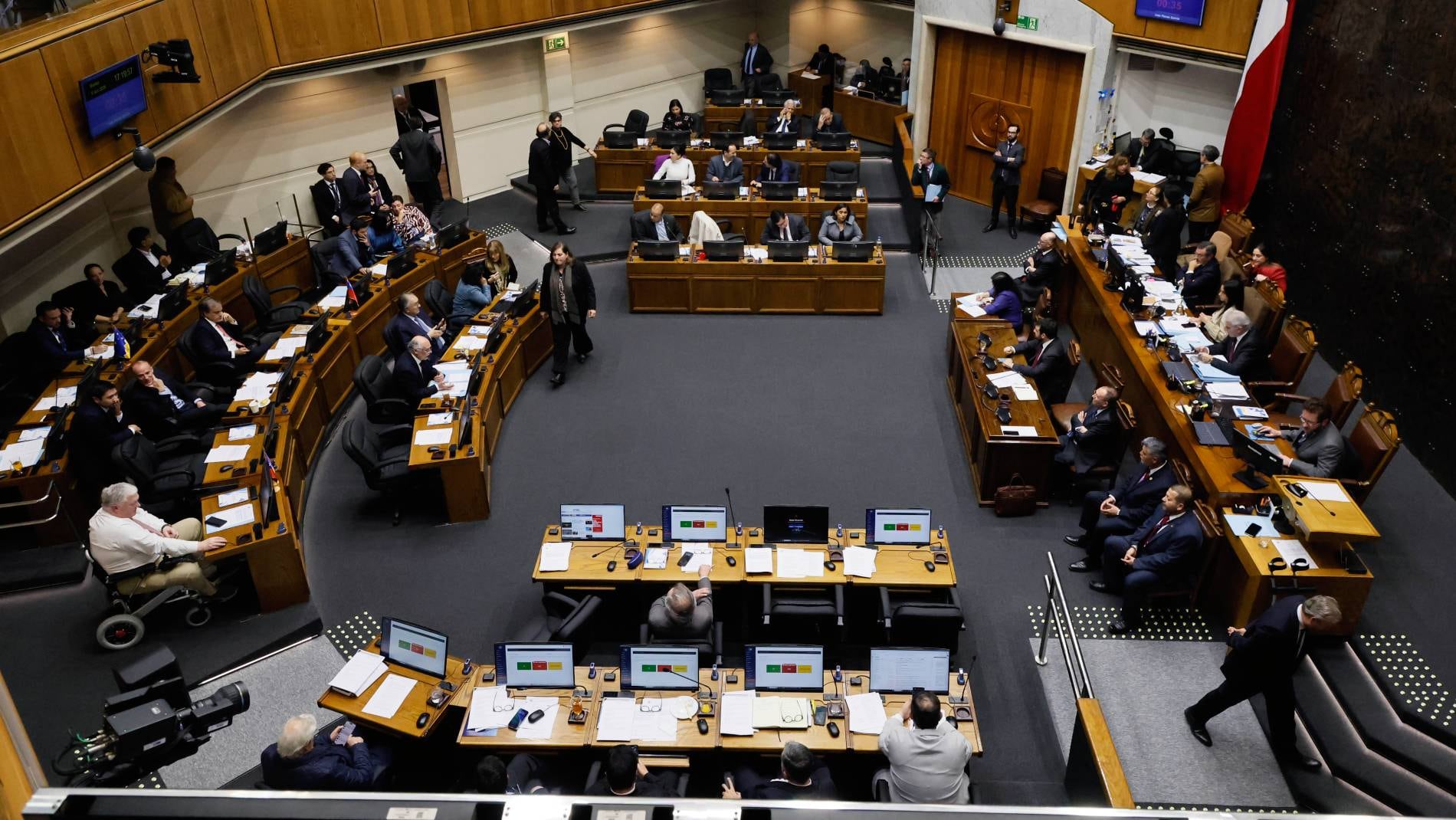
Director Eduardo Fuentes Caro of the USS Institute of Philosophy argues against the notion that proposed tax invariability in a major reform is inherently undemocratic. Critics, such as academic Yanira Zúñiga, contend that a two-decade limitation on parliamentary action infringes upon legislative sovereignty. Fuentes Caro counters that this view misinterprets democracy, asserting that the people, through their representatives, are sovereign to bind their own will. He likens this self-imposed limitation to the rule of law, which provides certainty by defining future actions. The argument posits that democracy is not merely arbitrary majority rule, and if the populace is sovereign, it should be able to make and fulfill long-term promises. While acknowledging the concern that future generations might be unfairly bound by such a long-term fiscal order, Fuentes Caro suggests this is also a misconception. He emphasizes that while future generations' well-being must be considered, it does not necessitate leaving all policy areas entirely open-ended. The duty of parliament is to legislate for the common good, and committing to a two-decade tax invariability could, in fact, be the best course of action for future citizens.
This perspective challenges the premise that legislative commitments spanning multiple decades inherently undermine democratic principles. It frames tax invariability not as an imposition, but as a deliberate exercise of sovereign will, akin to establishing the rule of law for fiscal certainty. The core argument suggests that a mature democracy can choose to constrain its future decision-making to secure long-term public goods, rather than defaulting to perpetual flexibility. This raises questions about the optimal balance between immediate responsiveness and enduring policy stability in governance. In the context of long-term economic planning and investment, such fiscal commitments could be viewed as a mechanism for intergenerational equity, providing a predictable environment for future economic actors. The analysis prompts consideration of whether limiting parliamentary discretion for extended periods can, paradoxically, serve the broader democratic interest by fostering stability and enabling more ambitious, long-term societal projects.
AI-generated to prompt reflection — not editorial opinion, not advice, not a statement of fact. How this works.