Is the World Cup trophy truly gold? Why has an Italian firm made it for over 50 years?
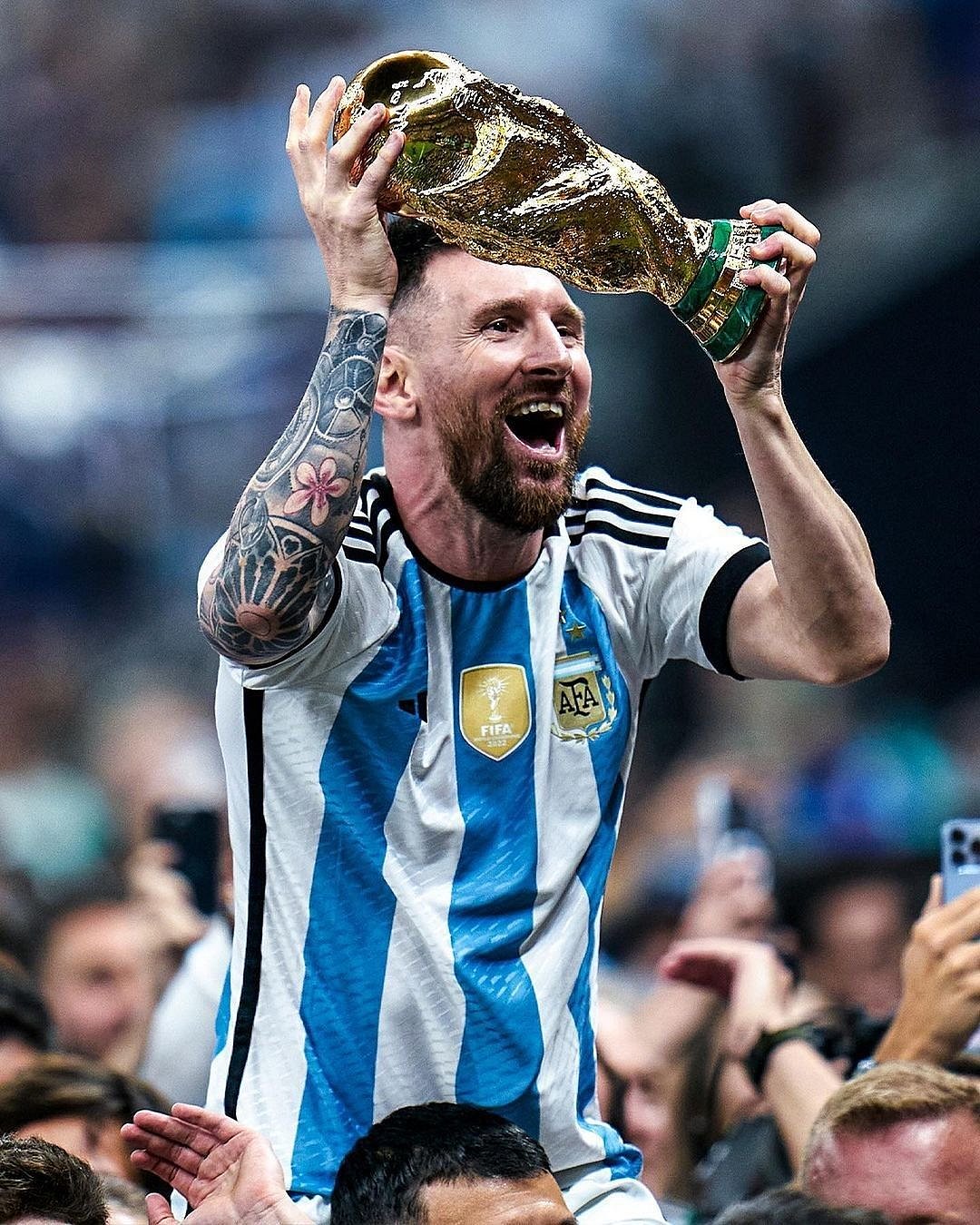
As the World Cup final approaches, billions anticipate the moment the winning captain lifts the golden trophy. This iconic image is one of football's most memorable. However, questions arise about the trophy's composition: is it made of pure gold? Furthermore, for more than half a century, a single Italian company has been responsible for its creation. This enduring relationship raises curiosity about the reasons behind this long-standing partnership and the materials used in crafting such a significant symbol of global sporting achievement.
The enduring production of the World Cup trophy by a single Italian firm for over five decades suggests a stable, long-term contractual relationship, likely driven by established expertise, quality control, and potentially cost-effectiveness for FIFA. The material composition, while often perceived as solid gold, may involve gold plating over a more durable base material to balance aesthetics, weight, and cost. This practice is common for high-value, frequently handled objects. Future considerations might involve exploring sustainable material sourcing or innovative design adaptations, though the tradition and brand recognition associated with the current trophy likely ensure its continued production method for the foreseeable future.
AI-generated to prompt reflection — not editorial opinion, not advice, not a statement of fact. How this works.