Is the World Heading Towards a New Oil Crisis and Inflation?
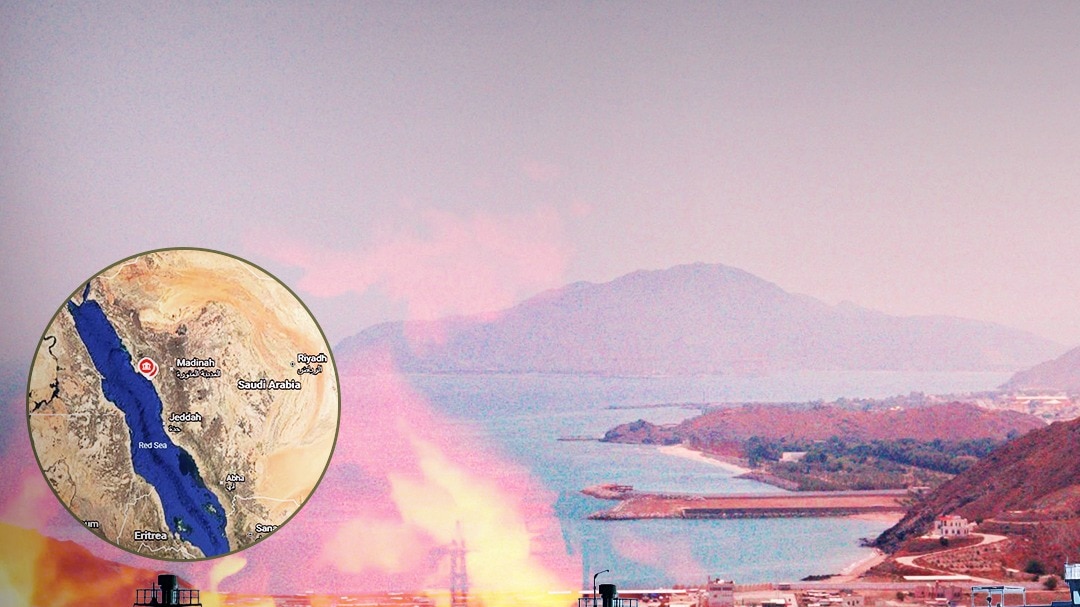
The conflict between the United States and Iran has reached a new phase, with the U.S. military conducting continuous airstrikes on various Iranian military bases. Amidst these developments, Iran-backed Houthi rebels in Yemen have declared a maritime embargo in the Bab al-Mandeb Strait, targeting Saudi Arabia. This action by the Houthis, a significant development in the regional conflict, could have far-reaching implications for global trade and energy markets. The Bab al-Mandeb Strait is a crucial chokepoint for international shipping, particularly for oil transportation. A naval blockade or significant disruption in this area could lead to a substantial increase in oil prices and potentially trigger a new global oil crisis. This escalation raises concerns about global economic stability and the potential for widespread inflation as energy costs rise. The involvement of Iran-backed groups in disrupting vital shipping lanes adds another layer of complexity to the already tense geopolitical situation.
The declaration of a maritime embargo in the Bab al-Mandeb Strait by Iran-aligned Houthi forces, amidst escalating U.S.-Iran tensions and U.S. airstrikes, introduces significant geopolitical and economic risk. This strategic chokepoint's disruption directly impacts global energy supply chains, potentially driving up oil prices and contributing to inflationary pressures worldwide. The event highlights the systemic vulnerability of global trade to regional conflicts and the use of maritime access as a geopolitical lever. Future policy considerations may need to address enhanced maritime security protocols and diversified energy sourcing to mitigate the impact of such disruptions on global economic stability and prevent the weaponization of vital shipping lanes.
AI-generated to prompt reflection — not editorial opinion, not advice, not a statement of fact. How this works.