Is Your Pool Clean? One in Five Admits to Urinating in Public Pools
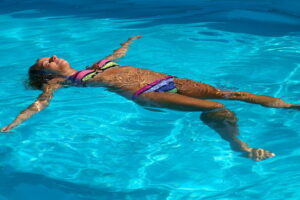
Concerns are rising about health issues following visits to public swimming pools. Experts are offering guidance on how to determine if pool water is clean. A recent survey conducted in the United States revealed that one in five respondents admitted to urinating in pools. This practice, along with other behaviors, contributes to the contamination of public swimming facilities. The prevalence of such actions raises questions about hygiene standards and public health in recreational water environments. While the survey did not specify the exact number of participants, the finding that 20% of individuals engage in this behavior is significant. This practice can lead to the spread of germs and chemicals that affect water quality. The article implies that this is a common issue, with some individuals admitting to it. Further details on the specific health risks and expert recommendations are expected to be elaborated upon.
The practice of urinating in public pools, as admitted by a significant portion of survey respondents, highlights a widespread public health challenge. This behavior, while seemingly minor to some individuals, can lead to the formation of chloramines when urine reacts with chlorine, irritating swimmers' eyes and respiratory systems. Furthermore, it contributes to the overall microbial load in the water, potentially increasing the risk of recreational waterborne illnesses. From a public health perspective, addressing this issue requires a multi-pronged approach, including enhanced public education campaigns on hygiene, clearer signage at pools, and potentially stricter enforcement of pool rules. The long-term implications involve not only immediate health risks but also the sustainability of public recreational facilities if contamination levels become unmanageable. Future innovations in water treatment and monitoring technologies may offer more effective solutions, but behavioral change remains a critical component.
AI-generated to prompt reflection — not editorial opinion, not advice, not a statement of fact. How this works.