Ishan Kishan Cites Two Free-Hits as Turning Point in India's Loss to England
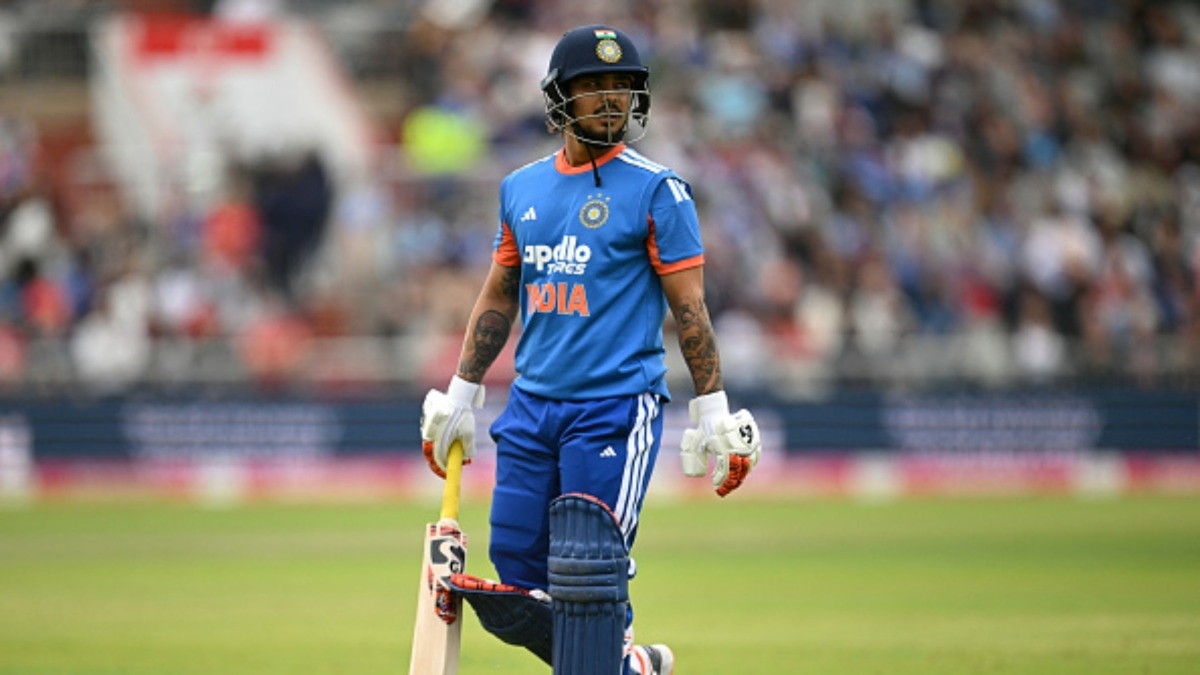
Following India's T20I defeat against England in Manchester, cricketer Ishan Kishan identified two no-balls bowled in the 17th over as the critical juncture that led to their loss. Kishan explained that the resulting free-hits eased the pressure on England's batter, Jacob Bethell. This allowed Bethell to play more freely, ultimately contributing to India's inability to secure a victory in the match. The incident highlights how seemingly minor bowling errors can have significant consequences in tightly contested cricket matches. Kishan's comments suggest a focus on the technical aspects of the game and the immediate impact of specific plays on the match's outcome. The team will likely review these moments to improve future performance.
The outcome of the Manchester T20I, as described by Ishan Kishan, underscores the profound impact of marginal errors in high-stakes sporting events. The concession of two no-balls, leading to free-hits, demonstrates how rule-based advantages can shift momentum and alleviate pressure on opponents. From a systemic perspective, this event prompts consideration of player fatigue, concentration lapses, and the effectiveness of current training protocols in maintaining peak performance under pressure. In the evolving landscape of professional sports, where data analytics increasingly inform strategy, such incidents also invite scrutiny of predictive modeling and real-time decision-making support for bowlers and captains. The long-term implications involve refining strategies to mitigate the impact of such errors, potentially through enhanced psychological conditioning or adaptive tactical adjustments during play.
AI-generated to prompt reflection — not editorial opinion, not advice, not a statement of fact. How this works.