ISIS Ideology Continues to Inspire Terrorism in Europe Due to Despair
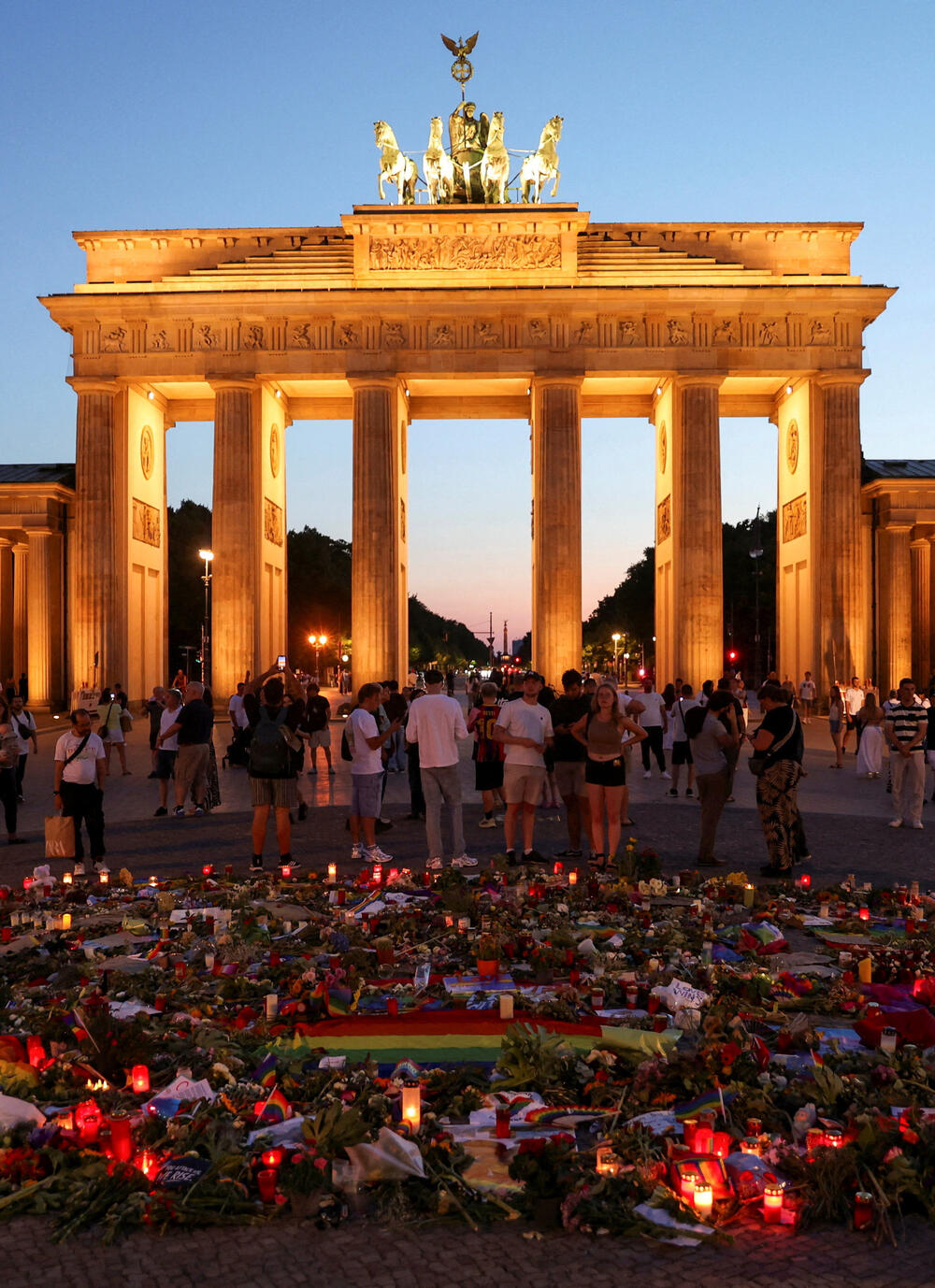
A decade after the declaration of the Islamic State, the ideology of ISIS continues to draw individuals in Europe. The primary drivers behind this persistent appeal are identified as despair, hopelessness, and anger. These negative emotions create fertile ground for extremist narratives to take root and influence vulnerable populations. The ongoing presence of ISIS's ideological influence highlights a complex challenge in addressing the root causes of radicalization. It suggests that the group's messaging continues to resonate with certain segments of society facing significant hardship. The persistence of this threat underscores the need for comprehensive strategies that tackle both the symptoms and underlying issues contributing to extremism. Addressing the despair and hopelessness that ISIS exploits is crucial for long-term security in Europe.
The enduring appeal of ISIS ideology in Europe, fueled by despair and anger, points to systemic societal issues that extremist groups exploit. While the physical caliphate has been dismantled, the ideological vacuum and socio-economic grievances persist, creating vulnerabilities. Future strategies must focus on addressing these root causes, such as economic inequality and social exclusion, to counter radicalization effectively. The long-term challenge lies in fostering inclusive societies that offer hope and opportunity, thereby diminishing the appeal of extremist narratives. This requires a multi-faceted approach involving governments, communities, and international cooperation to build resilience against ideological manipulation.
AI-generated to prompt reflection — not editorial opinion, not advice, not a statement of fact. How this works.
