Islam Offers Spiritual Resilience Against Life's Hardships, Not Clinical Disease
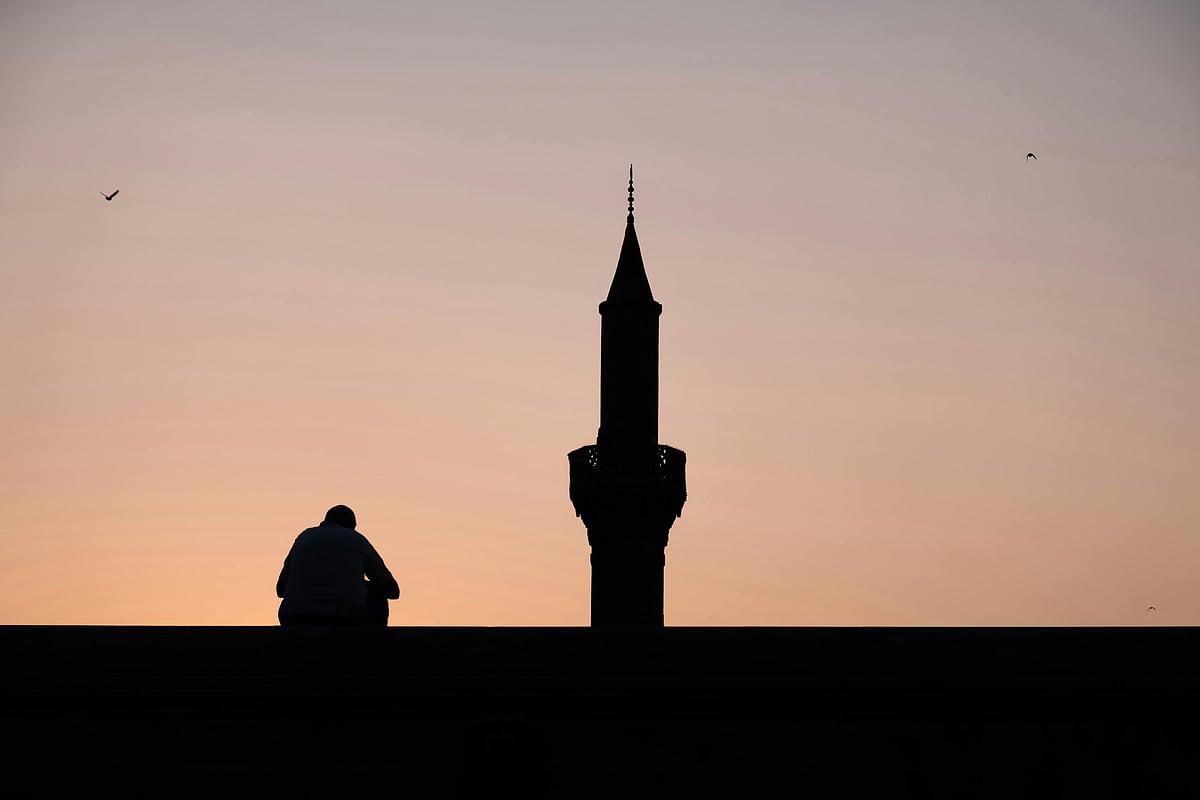
Modern youth are increasingly labeling common life failures, sadness, breakups, or minor disappointments as significant mental disorders, influenced by social media. This trend indicates a diminishing natural resilience to adversity, leading people to seek medical or therapeutic help for minor setbacks. In contrast, Islamic philosophy proposes cultivating robust mental strength through 'sabr' (patience) and 'tawakkul' (reliance on God). Islam teaches that life is inherently a test, not a realm of perpetual happiness, and that hardship, sorrow, loneliness, and loss are natural occurrences. The Quran, in Surah Baqarah, verse 155, states that God will test people with fear, hunger, loss of wealth, life, and crops, and advises to give good news to the patient. Believing that life's struggles are temporary tests from God can prevent individuals from succumbing to 'clinical trauma' or feelings of inferiority. Islam views sorrow not as a psychological curse but as a means of spiritual advancement. The concept of 'sabr' involves self-control and steadfastness, maintaining inner balance during difficult times, rather than passive resignation. The Prophet Muhammad (peace be upon him) stated that a believer's affairs are always beneficial, whether in times of ease (requiring gratitude) or hardship (requiring patience). Furthermore, Islam introduces 'tawakkul,' or ultimate reliance on God, as a counter to excessive worry about the future and the unrealistic desire to control everything. By entrusting outcomes to the Creator after making one's best effort, believers can avoid the 'black hole' of depression. While seeking professional medical help for severe mental illness is permissible and necessary, the article urges young people to reject the notion that every normal hardship is a 'mental illness' or 'trauma.' True mental peace and spiritual victory are achieved by embracing faith, patience, and reliance on God, rather than succumbing to societal pressures for immediate happiness or external validation.
This article presents a theological framework for understanding and coping with life's difficulties, contrasting it with modern psychological diagnoses. It suggests that by reframing adversity as a spiritual test and relying on Islamic principles of patience and divine trust, individuals can build psychological resilience. The analysis highlights a potential tension between secular mental health approaches that pathologize distress and religious perspectives that interpret it as a catalyst for spiritual growth. From a systems perspective, this approach offers a low-cost, widely accessible coping mechanism rooted in belief structures, potentially reducing reliance on formal mental healthcare services for non-clinical distress. However, it risks underestimating the severity of clinical mental health conditions and the importance of evidence-based therapeutic interventions. The long-term societal impact of prioritizing spiritual resilience over clinical treatment for all forms of distress warrants consideration, particularly in an era where mental health awareness is growing.
AI-generated to prompt reflection — not editorial opinion, not advice, not a statement of fact. How this works.