Islamabad Drug Dealers Move Online Amidst Police Crackdown, Employing Beggars
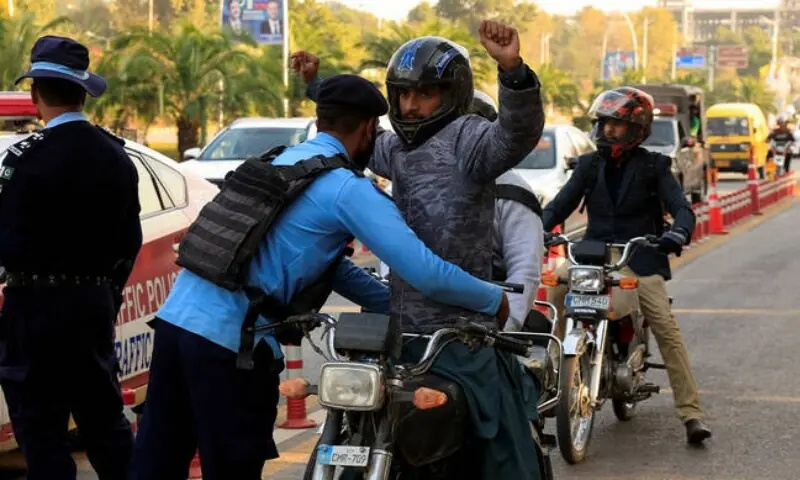
Drug traffickers in Islamabad have transitioned their operations online following a significant police crackdown, with dealers now utilizing messaging applications to distribute narcotics. In response, the police have intensified their efforts, arresting 1,002 alleged drug peddlers and registering 966 cases between January 1 and July 22 of the current year. During this period, law enforcement seized substantial quantities of drugs, including 168,337 grams of charas, 102,183 grams of heroin, and 110,110 grams of ice. A specific focus has been placed on areas around educational institutions, where 102 suspects were apprehended and 98 cases filed, resulting in the recovery of 20,240 grams of charas, 12,164 grams of heroin, and 18,984 grams of ice. Dealers are reportedly offering home delivery services, often at educational institutions, commercial and residential areas, and even at parties and music concerts, primarily targeting younger demographics. To circumvent arrests, professional peddlers are reportedly enlisting beggars to act as couriers, delivering drugs to designated locations. The police are collaborating with university administrations to implement measures such as physical checks of delivery personnel and the installation of surveillance cameras around educational campuses. Drugs are believed to be smuggled into Islamabad from Khyber Pakhtunkhwa, with middlemen operating from the city's outskirts, including Tarnol and Bhara Kahu, and the Doray village identified as a long-standing drug hub. The availability of both organic and synthetic drugs is noted, with officials emphasizing the greater harm posed by synthetic substances and advocating for stricter penalties.
The shift of illicit drug sales to online platforms and the recruitment of vulnerable individuals like beggars highlight the adaptive nature of criminal enterprises in response to law enforcement pressure. This dynamic suggests that traditional policing methods alone may be insufficient to curb drug trafficking, necessitating a multi-faceted approach that includes digital surveillance, community engagement, and addressing the socioeconomic factors that make individuals susceptible to exploitation. The increased availability of synthetic drugs, which are often more potent and dangerous, presents a growing public health challenge that may require specialized interventions and regulatory frameworks beyond standard drug control measures. Future strategies should consider the technological sophistication of dealers and the exploitation of marginalized populations as key areas for intervention.
AI-generated to prompt reflection — not editorial opinion, not advice, not a statement of fact. How this works.