Islamabad Frontrunner to Host US-Iran Technical Talks on July 11
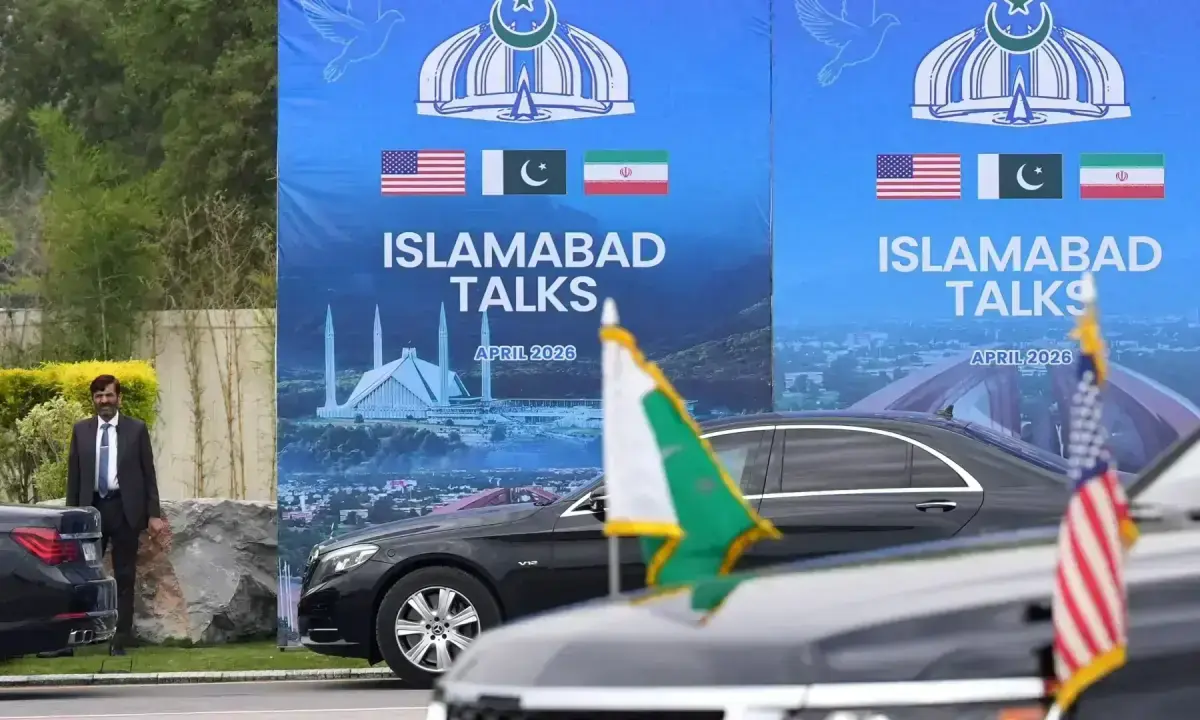
Islamabad, Pakistan, is emerging as the preferred venue for the next round of technical negotiations between the United States and Iran, expected around July 11. Diplomatic sources indicate that while Switzerland's Burgenstock resort is also a possibility, Islamabad is the more likely location. These technical discussions are crucial for advancing diplomatic efforts to resolve long-standing disputes between Washington and Tehran. The agenda is expected to cover Iran's nuclear program, sanctions relief, and the status of frozen Iranian assets. Additionally, regional security issues, including stability in the Strait of Hormuz and the recent ceasefire in Lebanon, are slated for discussion. This meeting aims to build upon the framework established by the Islamabad Memorandum of Understanding, signed two weeks prior, which allows a 60-day negotiation period for a comprehensive agreement.
The talks were temporarily paused due to the state funeral for Iran's late Supreme Leader Ayatollah Ali Khamenei. Despite the pause, both nations have continued to exchange sharp rhetoric. U.S. President Donald Trump made remarks mocking the funeral, while Iran's foreign ministry vowed to seek justice against the U.S. and Israel. The commander of Iran's IRGC Navy also issued threats of retribution. Iran's Deputy Foreign Minister Kazem Gharibabadi issued a stern warning against military activity by 'extra-regional powers' in the Strait of Hormuz, emphasizing Iran's role as a guarantor of security in the waterway. Meanwhile, Iranian Parliament Speaker Mohammad Bagher Ghalibaf rejected President Trump's claims about Iran's food situation and stated that post-war realities have changed, suggesting improved conditions for trade and the potential lifting of sanctions.
The ongoing US-Iran technical negotiations, potentially hosted in Islamabad, highlight the persistent tension between diplomatic engagement and public adversarial rhetoric. While both sides are ostensibly seeking to de-escalate and resolve specific issues like nuclear program details and sanctions, the exchange of public barbs, particularly around sensitive events like a national funeral, suggests significant internal political pressures influencing their external postures. This dynamic creates a challenging environment for sustained progress, as public pronouncements can undermine the confidential trust necessary for complex negotiations. The focus on technical details and regional security, juxtaposed with the broader geopolitical friction, indicates a strategic attempt to carve out areas of potential agreement while managing inherent distrust. The future trajectory will likely depend on whether the perceived benefits of a negotiated settlement, even on limited technical fronts, can outweigh the domestic political incentives for maintaining a hardline public stance.
AI-generated to prompt reflection — not editorial opinion, not advice, not a statement of fact. How this works.