Islamabad High Court Finalizes Three Nominees for Judicial Vacancies
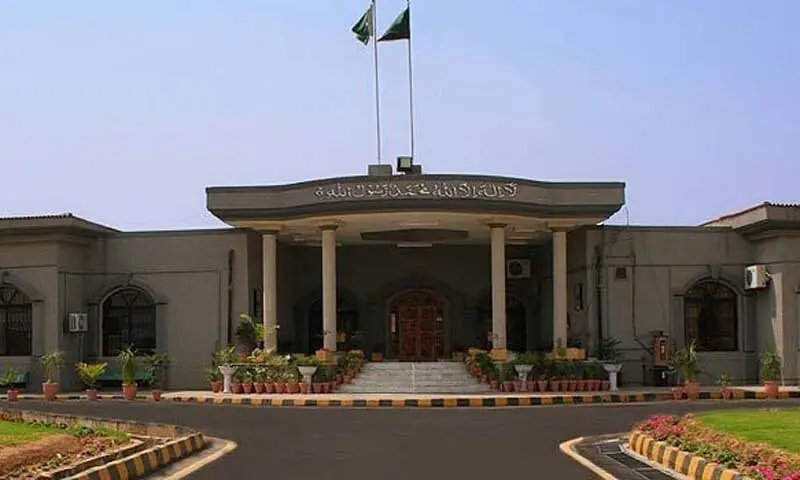
The Islamabad High Court (IHC) administration has put forward three candidates to fill three vacant judgeships, with the nominations now sent to the Judicial Commission of Pakistan (JCP) for review. The selected nominees are District and Sessions Judge Shahrukh Arjumand, former Advocate General Islamabad and current Chairman of the Social Media Protection and Regulatory Authority Ayyaz Shaukat, and advocate Umair Majeed Malik. These appointments are being considered under new rules approved in 2026, with the JCP scheduled to hold formal scrutiny after July 4. Previously, other notable figures like tax law expert Usman G. Rashid Cheema and advocate Sultan Mazhar Sher Khan were considered, alongside serving district and sessions judges Shahrukh Arjumand and Humayun Dilawar. The finalization of these candidates occurs amidst significant lobbying from Islamabad's legal community, which advocates for appointments to be made from lawyers practicing within the federal capital, drawing parallels to provincial high court appointments. Last month, representatives from various bar associations collectively demanded that future IHC appointments prioritize local lawyers. The JCP, chaired by Chief Justice of Pakistan Yahya Afridi, met on June 19 to approve new rules for judicial appointments and constitutional bench nominations. These new rules establish a seven-member interview panel to assess candidates, though their recommendations are not binding on the main commission, which holds the ultimate decision-making power via majority vote. The commission is expected to hold extensive sessions between July 21 and July 23 to finalize selections for high courts nationwide.
The process for selecting judges for the Islamabad High Court highlights a tension between institutional nomination procedures and the influence of local legal fraternities. The recent approval of new appointment rules, including a dedicated interview panel, aims to introduce a more structured vetting process. However, the ultimate authority resting with the Judicial Commission of Pakistan, and the non-binding nature of interview panel recommendations, suggests that political and professional lobbying may continue to play a significant role in judicial appointments. This dynamic raises questions about the balance between meritocracy, regional representation, and the potential for undue influence in shaping the judiciary. Future appointments will be a key indicator of whether the new rules effectively mitigate these pressures or if the established power structures remain dominant in the selection of judicial candidates.
AI-generated to prompt reflection — not editorial opinion, not advice, not a statement of fact. How this works.