Islamabad High Court orders cybercrime agency to detail allegations against journalist Asad Toor
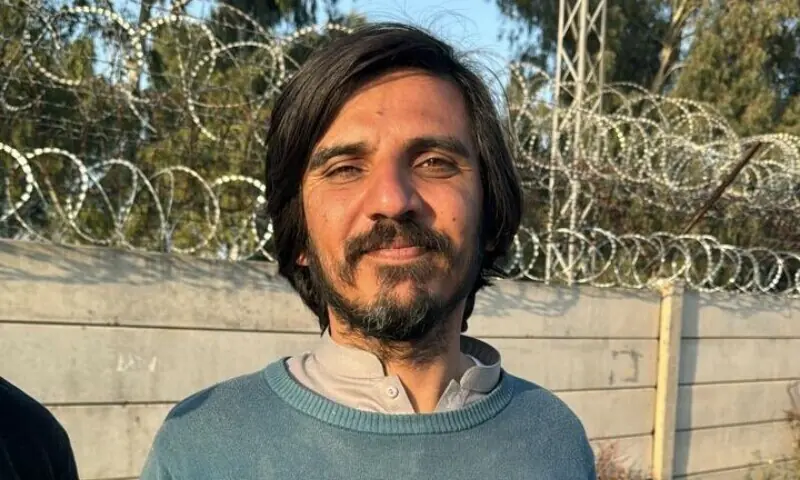
The Islamabad High Court (IHC) has instructed the National Cyber Crime Investigation Agency (NCCIA) to provide journalist and vlogger Asad Toor with specific details regarding the allegations against him. The NCCIA had previously issued a summons to Toor on Wednesday, July 24, for an inquiry into "alleged dissemination, transmission and/or public exhibition of false/fake information." Toor was summoned to appear at the NCCIA Cybercrime Reporting Centre in Islamabad on July 31 at 11 am. Toor challenged this summons in the IHC on Thursday, arguing that the NCCIA failed to meet legal requirements by not providing concrete details of the accusations. During Friday's hearing, presided over by Justice Mohammad Azam Khan, Toor's lawyer, Attaullah Kundi, stated that they could not formulate a defense without knowing the exact nature of the allegations. The court ultimately disposed of Toor's petition with a directive for the NCCIA to furnish him with all relevant information. The National Press Club (NPC) had previously condemned the NCCIA's notice, expressing concerns about press freedom and stating that subjecting journalists to legal pressure for their professional duties or critical opinions is detrimental to a democratic society. The NPC urged institutions to uphold constitutional and human rights and warned against actions that could stifle press freedom and create insecurity within the journalist community. This incident follows a previous arrest of Toor in February 2024 under the Prevention of Electronic Crimes Act for an alleged malicious campaign against state institutions, for which he was released in March.
The Islamabad High Court's directive to the NCCIA underscores the principle that legal processes require transparency and due process, even when investigating alleged misinformation. By demanding specific allegations, the court reinforces the right of individuals, including journalists, to a fair defense. This situation highlights a recurring tension between state efforts to regulate online content and the protection of freedom of expression, a cornerstone of democratic societies. The National Press Club's reaction points to broader concerns about the potential for such investigations to be used as tools for intimidation, impacting the safety and independence of the press. Looking ahead, the increasing role of digital platforms in public discourse necessitates clear, consistently applied legal frameworks that balance the need to combat harmful content with the imperative to safeguard journalistic inquiry and free speech, avoiding the chilling effects of overly broad or vaguely defined accusations.
AI-generated to prompt reflection — not editorial opinion, not advice, not a statement of fact. How this works.