Islamabad High Court Registrar Orders Justice Babar Sattar to Vacate Residence
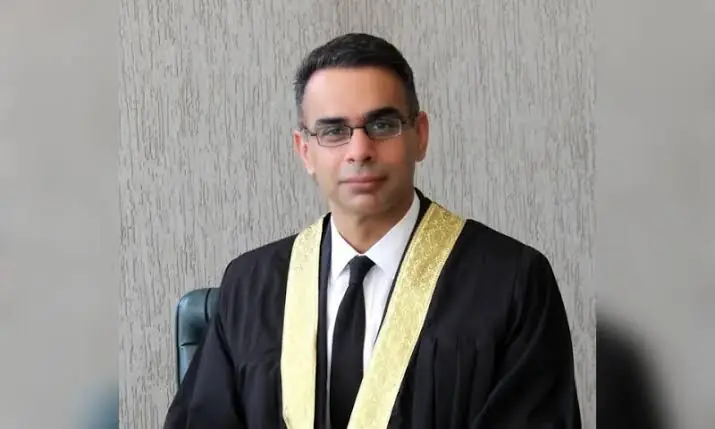
The Registrar of the Islamabad High Court (IHC) has issued a notice to Justice Babar Sattar, directing him to vacate his official residence in Islamabad within 30 days. This action follows the cancellation of the allotment for the residence by the Estate Office on July 3. Justice Sattar was transferred from the IHC to the Peshawar High Court (PHC) on April 28. Despite his transfer, he had opted to continue living in Islamabad rather than seeking official accommodation in Peshawar. The notice specifies that the 30-day period for vacating the premises began on July 3, meaning Justice Sattar is required to leave by August 3. Sources indicate that Justice Sattar had previously informed the IHC administration of his desire to keep the Islamabad accommodation. The issue of official housing for superior court judges has been a recurring point of contention. Notably, in 2023, Justice Sattar himself authored a judgment asserting that judges are entitled to official accommodation from their appointment throughout their service, based on a presidential order rather than standard government rules. Officials reportedly visited Justice Sattar's residence on Wednesday, but he was on judicial leave and not present at the time.
This situation highlights the persistent challenges in managing official accommodations for judicial officers, particularly when transfers involve relocation between cities. The ruling by Justice Sattar in 2023, which established a judicial entitlement to accommodation based on presidential orders, appears to be in tension with the administrative decision to cancel his current residence following his transfer. This raises questions about the interpretation and application of judicial accommodation policies, and whether they adequately account for the practicalities of judges maintaining residences in one city while serving in another. The underlying issue is the need for clear, consistent, and equitable policies regarding judicial housing that balance administrative efficiency with the rights and needs of the judiciary, ensuring that such matters do not become a source of public dispute or perceived inequity.
AI-generated to prompt reflection — not editorial opinion, not advice, not a statement of fact. How this works.