Islamabad Hospitals Face Critical Ventilator Shortage, Jeopardizing Patient Lives
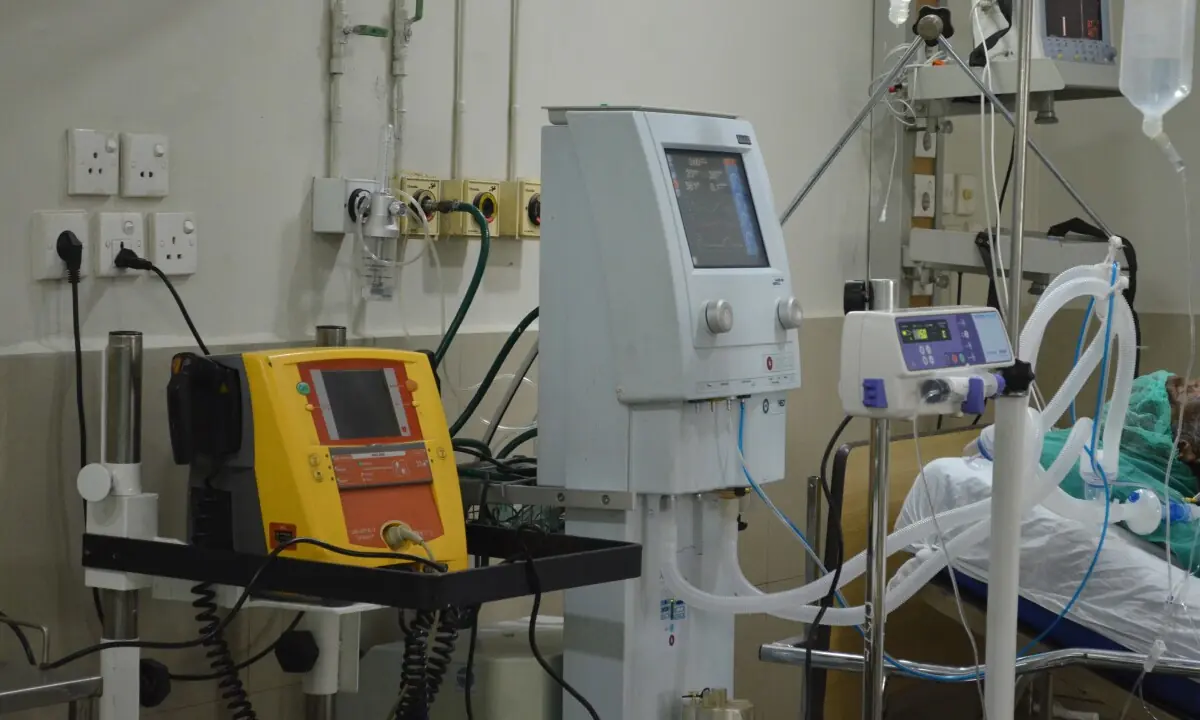
Hospitals in Pakistan's capital, Islamabad, are experiencing a severe shortage of ventilators, a critical life-saving medical device, significantly hindering their ability to treat patients. Both the Pakistan Institute of Medical Sciences (Pims) and Polyclinic Hospital report that their ventilators are almost constantly occupied. Pims Executive Director Dr. Rana Imran Sikander stated that while the hospital has over 90 ventilators across various ICUs, they are nearly 100% occupied, with some patients remaining on ventilators for approximately 20 days. This situation is exacerbated by a growing patient referral rate from across the country and a policy of not refusing patients, even if they must be accommodated on stretchers. The financial burden on public hospitals is substantial, as they provide free treatment, with the daily cost of a single ventilator at Pims estimated at Rs200,000, excluding medicines. Furthermore, a critical lack of specialized and trained human resources to operate these complex machines contributes to the problem. Dr. Sikander noted the significant population increase in Islamabad since Pims was established, from 500,000 to 5 million, straining resources. While a new block at Pims is planned to include 40 ventilators, Dr. Sikander emphasized the need for lifestyle changes to reduce the overall burden on healthcare facilities. Polyclinic Hospital Spokesperson Dr. Abdul Jabbar Bhutto confirmed a limited number of ventilators (35) that are always in use, echoing the need for more staff if additional equipment were acquired. He also highlighted that patients often seek public hospitals for ventilator support when private facilities become too expensive, leading to an unending priority list. The maintenance of ventilators is also challenging, as removing a patient for periodic maintenance is difficult. Tragically, journalist Abid Raza Kazmi recently died at Pims due to the unavailability of a ventilator, a situation his family described as a last resort when doctors recommended its use. Such incidents are reportedly frequent in government hospitals. Former minister Fawad Chaudhry suggested that a lack of focus on manufacturing high-end ventilators domestically, coupled with insufficient engineering quality, has contributed to the problem, advocating for joint ventures with Chinese companies.
The critical shortage of ventilators in Islamabad's public hospitals highlights a systemic challenge in resource allocation and healthcare infrastructure development. The high occupancy rates, prolonged patient usage, and the strain from increasing population demand point to an imbalance between the provision of advanced medical equipment and the growing healthcare needs. The financial model, which mandates free treatment for emergency and ICU patients, creates a significant operational cost burden for public facilities, especially when contrasted with the high daily expenses associated with ventilator use. Moreover, the "severe issue of human resources" underscores a critical bottleneck: even with equipment, the lack of trained personnel limits operational capacity. The situation is further complicated by the influx of patients from private sectors seeking more affordable care, overwhelming the existing limited resources. Looking ahead, the reliance on imported technology and the challenges in domestic manufacturing, as noted by former minister Fawad Chaudhry, suggest a need for strategic investment in local production and workforce development to ensure future healthcare resilience. The current scenario, where patient outcomes are directly impacted by equipment availability, necessitates a review of procurement strategies, staff training programs, and potentially a re-evaluation of public-private healthcare partnerships to ensure equitable access to life-saving technology.
AI-generated to prompt reflection — not editorial opinion, not advice, not a statement of fact. How this works.