Islamabad hosts OIC conference on women's socio-economic and political empowerment
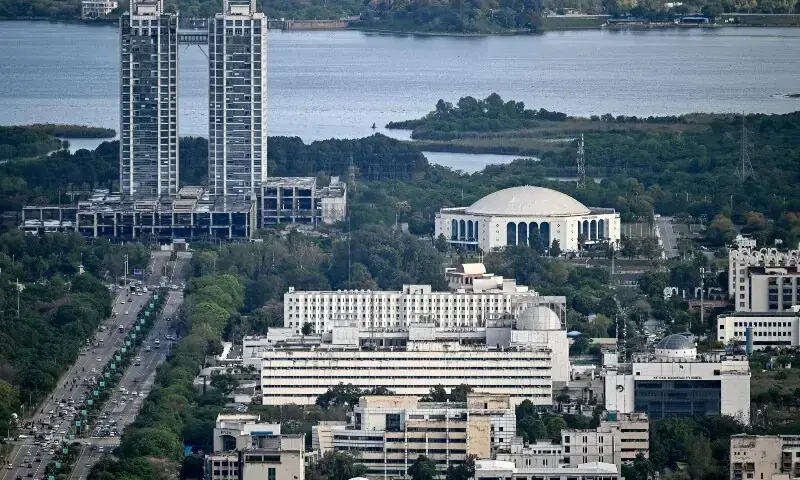
Islamabad is hosting the 9th Ministerial Conference on Women, organized by the human rights ministry, from July 12-13. The event, themed "Socio-Economic and Political Empowerment of Women in the OIC Countries: Challenges and Way Forward," brings together ministers, senior officials, and representatives from 57 OIC member states and international organizations. The conference aims to advance the empowerment of women across member states by reviewing progress, exchanging best practices, and identifying pathways for improvement. Pakistan's Law, Justice, and Human Rights Minister Azam Nazeer Tarar will chair the proceedings, emphasizing Pakistan's commitment to OIC objectives and cooperation on women's rights. Deputy Prime Minister and Foreign Minister Ishaq Dar welcomed delegates, anticipating productive discussions. Notable attendees include Dr. Maimoonah Khalil Alkhalil from Saudi Arabia, Amal Ammar from Egypt, Abu Zafar Md. Zahid Hossain from Bangladesh, and Dr. Zainab Al-Mulla Al-Sultani from Iraq, among others from Libya, Yemen, Nigeria, Somalia, and Mauritania. This conference occurs as Pakistan faces significant gender disparities, ranking lowest among 148 countries in the World Economic Forum’s 2025 Global Gender Gap Report with 56.7% gender parity, a decline from previous years. Additionally, the International Labour Organization reports that women in Pakistan earn approximately 30% less than men in wage employment.
The OIC conference on women's empowerment in Islamabad convenes amidst a complex backdrop for gender equality within Pakistan and the broader member states. While the stated goals of advancing socio-economic and political empowerment are laudable, the event's effectiveness will hinge on translating discussions into tangible policy shifts and resource allocation. The juxtaposition of Pakistan's hosting of this forum with its low ranking in the Global Gender Gap Report and significant wage disparities highlights systemic challenges. Future initiatives should focus on robust implementation mechanisms, data-driven policy development, and fostering inclusive economic growth models that address the root causes of gender inequality, rather than solely relying on ministerial declarations. The long-term impact will be measured by concrete improvements in women's participation in the workforce, access to education, and political representation across OIC nations.
AI-generated to prompt reflection — not editorial opinion, not advice, not a statement of fact. How this works.