Islamabad MoU Collapses as Iran Renounces Commitments
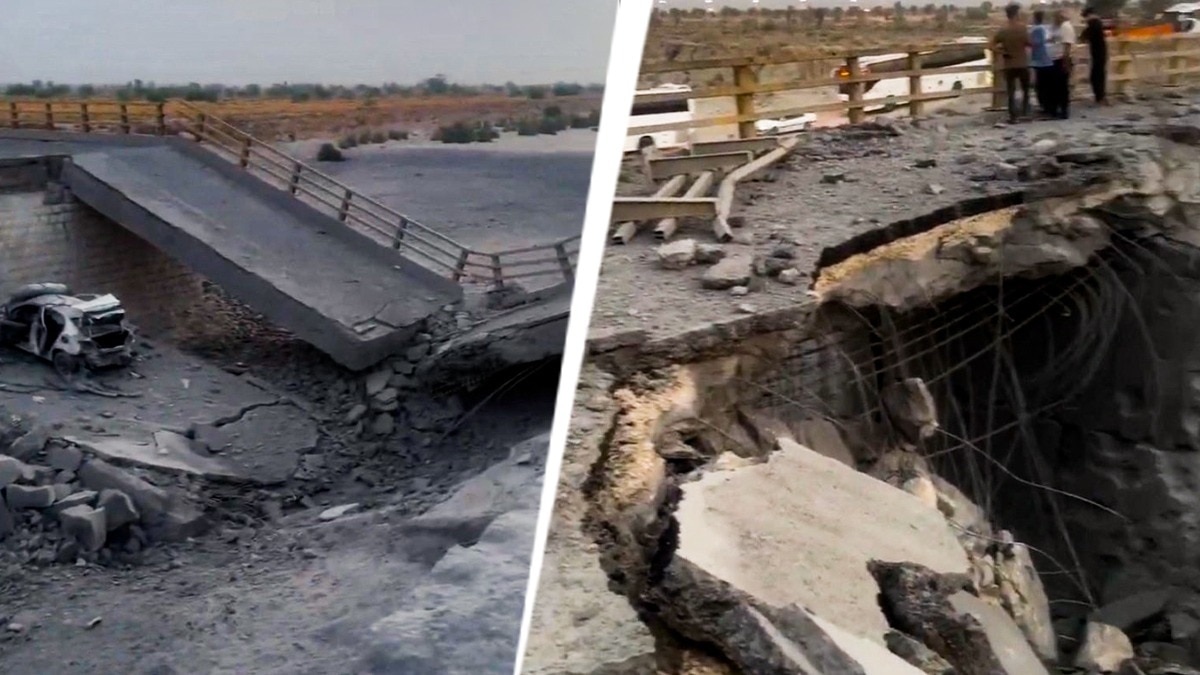
The Islamabad Memorandum of Understanding (MoU) has officially collapsed, with Iran announcing it no longer recognizes any commitments made under the agreement. The MoU had been viewed with suspicion from its inception. Shortly after the agreement was reached, both Iran and the United States asserted claims over the Strait of Hormuz. This divergence in claims led to immediate conflict between the two nations, prompting Iran to begin attacking vessels transiting the Strait. Consequently, the agreement has been terminated after only 30 days.
The rapid dissolution of the Islamabad MoU highlights the inherent challenges in multilateral agreements when core national interests, such as control over strategic waterways like the Strait of Hormuz, are contested. The swift escalation from agreement to conflict suggests that the foundational assumptions of the MoU did not adequately account for geopolitical realities or the sovereignty claims of key actors. Future diplomatic efforts in such volatile regions may need to incorporate more robust mechanisms for dispute resolution and clearly defined spheres of influence to prevent similar breakdowns and ensure sustained stability. The incident underscores the importance of aligning stated commitments with demonstrable control and strategic objectives.
AI-generated to prompt reflection — not editorial opinion, not advice, not a statement of fact. How this works.