Island of Slaves: Where Children Become Property at Birth
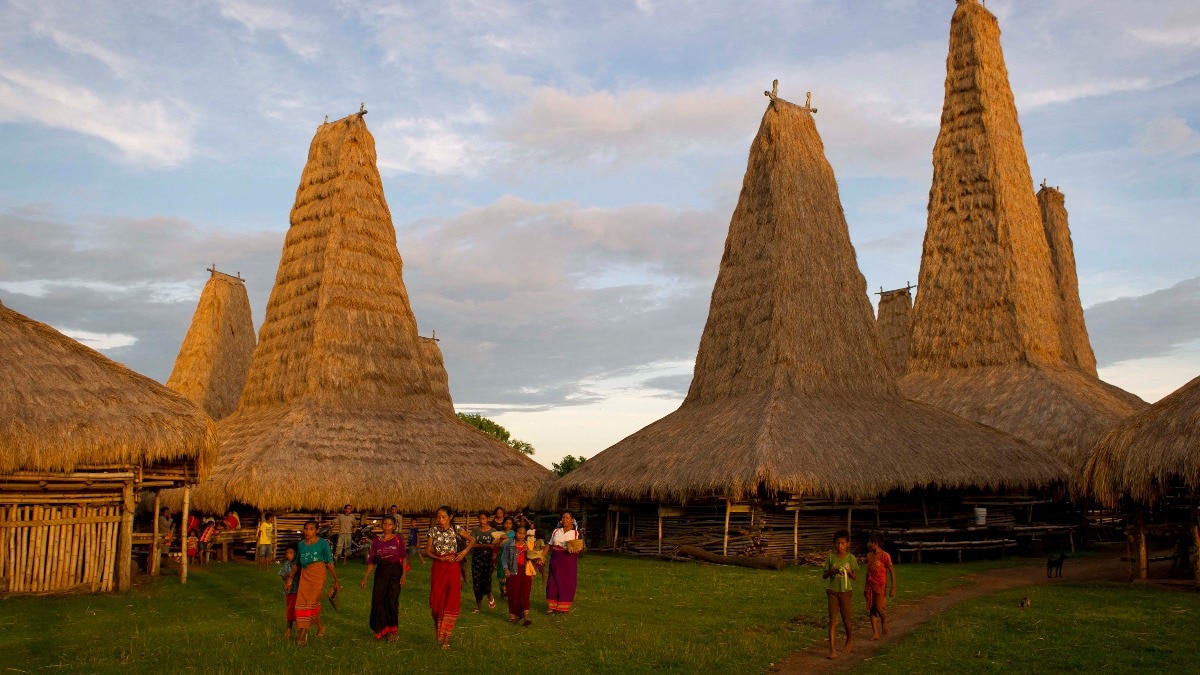
Despite modern advancements, the grim reality of slavery persists in certain corners of the world, fueled by entrenched traditions that local governments struggle to dismantle. This report sheds light on an island where individuals continue to live as slaves, a practice that remains prevalent. The existence of such systems highlights a stark contrast to global notions of freedom and human rights. The article aims to explore the conditions and societal structures that perpetuate this form of bondage. It underscores the challenges faced by authorities in eradicating deeply rooted practices. The narrative serves as a stark reminder that the fight against slavery is far from over. The story of this island community reveals a complex interplay of history, culture, and governance that allows such a system to endure. Further investigation into the specific mechanisms of control and the daily lives of those affected is warranted.
This situation presents a profound challenge to contemporary notions of human rights and governance. The persistence of hereditary bondage, where individuals are born into servitude, indicates systemic failures in enforcing fundamental freedoms. The inability of local authorities to dismantle these deeply entrenched traditions suggests a complex interplay of socio-economic factors, power structures, and potentially, a lack of political will or capacity. From a long-term perspective, such systems are inherently unstable and unsustainable in an increasingly interconnected and rights-aware world. Addressing this requires not only legal intervention but also comprehensive strategies that tackle the root causes, including poverty, lack of education, and the redefinition of social hierarchies, to foster genuine emancipation and integration.
AI-generated to prompt reflection — not editorial opinion, not advice, not a statement of fact. How this works.