Israel Conducts Raids on West Bank After Deadly Clashes
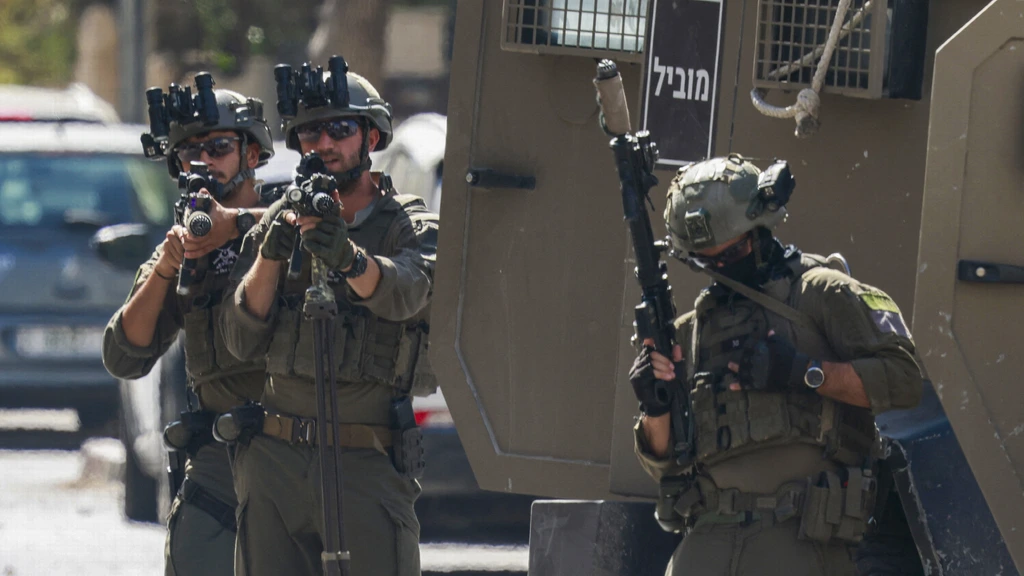
Following fatal confrontations near Nablus, Israel launched overnight raids across the occupied West Bank, resulting in at least eleven Palestinians injured according to local media. The Israeli military deployed additional forces and imposed a lockdown on Nablus and surrounding villages. Soldiers raided homes east of Nablus for interrogations and similar actions occurred near Bethlehem, where settlers fired on vehicles without reported casualties. The violence escalated with arson attacks on homes and agricultural land in multiple locations.
The immediate trigger was a deadly clash in the village of Tell, near Nablus, involving settlers and Palestinians. While Palestinian residents claim settlers initiated gunfire, a settler statement asserts a Palestinian grabbed a weapon and fatally shot a settler. The Palestinian Ministry of Foreign Affairs condemned the incident. The Oslo Accords designate Nablus as Area A, under Palestinian Authority control, where Israeli settlers are prohibited.
Human rights organization B'Tselem expresses concern over settlers increasingly entering Areas A and B, suggesting an expansion of land seizure tactics. The Israeli Prime Minister Netanyahu condemned the violence as "terror" and announced measures including increased military presence and accelerating the legalization of existing and establishment of new settlements, despite international law deeming them illegal. This aligns with a broader trend under the current government, marked by a rise in settlement approvals and increased settler violence, with some ministers advocating for annexation of the West Bank. Since October 7, 2023, the UN's OCHA has documented over a thousand attacks against Palestinians and their property in the first six months of this year, averaging six per day.
The events highlight the escalating cycle of violence in the West Bank, fueled by a complex interplay of security concerns, settler expansionism, and political objectives. The Israeli government's response, characterized by increased military presence and accelerated settlement legalization, signals a strategic push to consolidate control over occupied territories, potentially contravening international legal frameworks and exacerbating tensions. This approach risks further entrenching the conflict, creating a feedback loop where retaliatory actions and punitive measures become normalized, undermining prospects for de-escalation and long-term stability. The increased frequency of settler-initiated violence, often occurring with implicit or explicit state support, raises critical questions about governance, accountability, and the adherence to international humanitarian law in contested areas. Future developments will likely depend on the efficacy of international diplomatic efforts, the internal political dynamics within Israel, and the resilience of Palestinian communities facing ongoing pressure.
AI-generated to prompt reflection — not editorial opinion, not advice, not a statement of fact. How this works.