Israel Faces Potential Gender Segregation Amid Policy Shifts
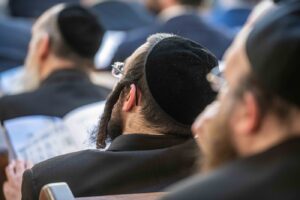
The city of Bnei Brak, heavily influenced by ultra-Orthodox Judaism, is considering a proposal to segregate men and women on two separate streets. This move comes as the Knesset, Israel's parliament, has approved university programs that are organized by gender. These developments have deeply concerned and dismayed more liberal Israelis, who view them as a step backward.
Images from Google Street View of Shlomo HaMelech Street in Bnei Brak show a typical urban scene with residential buildings lining a narrow asphalt road. The potential for gender-based segregation on public thoroughfares and in higher education settings raises significant questions about the evolving social landscape and the balance between religious observance and secular values within Israel. The debate highlights a growing tension between different segments of Israeli society regarding public policy and personal freedoms.
The reported proposals in Bnei Brak and the Knesset's approval of gender-segregated university programs reflect an ongoing societal negotiation in Israel between religious conservatism and liberal secularism. These policy shifts, driven by specific demographic and political influences, could signal a broader trend toward increased public space and educational segregation based on gender. Such measures, while potentially aligning with the values of certain religious communities, may create systemic friction with principles of gender equality and individual liberty championed by other segments of society. The long-term implications involve navigating the tension between accommodating diverse religious practices and upholding universal human rights, potentially impacting Israel's social cohesion and international standing in the coming decade.
AI-generated to prompt reflection — not editorial opinion, not advice, not a statement of fact. How this works.