Israel's Explosions in Southern Lebanon Threaten Peace Talks
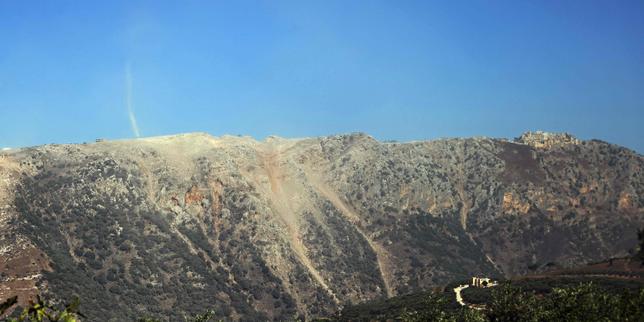
Israel conducted massive dynamiting operations in southern Lebanon on the night of July 30-31, near the Beaufort fortress. These actions, justified by Israel as necessary for destroying Hezbollah tunnels, generated powerful shockwaves felt throughout the occupied southern region. Lebanese President Joseph Aoun has condemned these blasts, labeling them a "direct threat" to the ongoing negotiations between Lebanon and Israel. The dynamiting occurred amidst sensitive discussions aimed at de-escalating tensions and resolving border disputes between the two nations. The timing of these forceful military actions raises concerns about their impact on the diplomatic process and the potential for further instability in the region. The Lebanese presidency's strong reaction underscores the gravity with which these operations are perceived by Beirut.
The Israeli military's use of large-scale dynamiting near the Beaufort fortress, ostensibly to neutralize Hezbollah tunnels, occurred during critical negotiations with Lebanon. This action, while framed as a security measure, introduces significant volatility into a delicate diplomatic environment. Such forceful demonstrations can be interpreted as attempts to gain leverage or signal resolve, potentially undermining trust essential for successful negotiation. The Lebanese president's characterization of the blasts as a "direct threat" highlights the tension between military operations and diplomatic objectives. Moving forward, the interplay between security imperatives and negotiation dynamics will be crucial in determining the trajectory of Israeli-Lebanese relations, particularly in the context of regional stability and the long-term implications for border security governance.
AI-generated to prompt reflection — not editorial opinion, not advice, not a statement of fact. How this works.
