Israel's Shadow Role in US-Turkey Relations Amidst NATO Summit
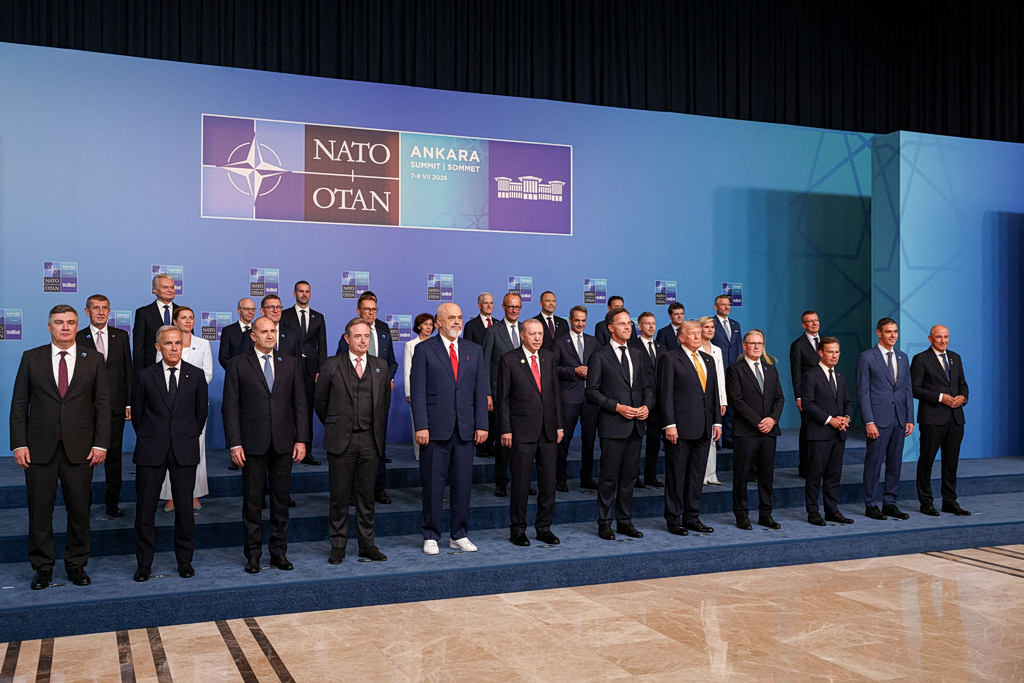
Although not a member of the NATO Summit in Ankara, Israel has been a significant, albeit unspoken, factor in American-Turkish meetings and negotiations. Discussions aimed at restoring US-Turkey relations have been ongoing, with Israeli Prime Minister Benjamin Netanyahu making statements that have influenced critical aspects of these negotiations. One such aspect involved Turkey's potential return to a specific agreement or status, which was indirectly affected by Israeli involvement. The presence of Israel as a key consideration, even in its absence from the formal summit, highlights its strategic importance in the broader geopolitical landscape of the region. This situation underscores the complex web of alliances and rivalries that shape international diplomacy, particularly between major powers like the United States and Turkey, with regional players like Israel exerting influence. The implications of Netanyahu's interventions suggest a strategic calculation to leverage Turkey's position for Israeli interests, potentially impacting regional stability and bilateral ties.
The geopolitical dynamics surrounding US-Turkey relations, with Israel as an influential external party, illustrate the intricate nature of international diplomacy. The situation suggests that bilateral relationships are often shaped by a confluence of regional power plays and strategic interests, rather than solely by direct dialogue between the primary actors. This external influence, even when not formally part of negotiations, can significantly alter negotiation outcomes and alliance structures. Examining this through a decade-long lens, such indirect influence could become more prevalent as AI-driven analysis provides actors with sophisticated tools to anticipate and shape geopolitical events, potentially leading to more complex and multi-polar negotiation environments. Understanding these systemic interdependencies is crucial for navigating future international relations.
AI-generated to prompt reflection — not editorial opinion, not advice, not a statement of fact. How this works.