Israel's West Bank Strategy: More Than Settler Violence, It's Colonization
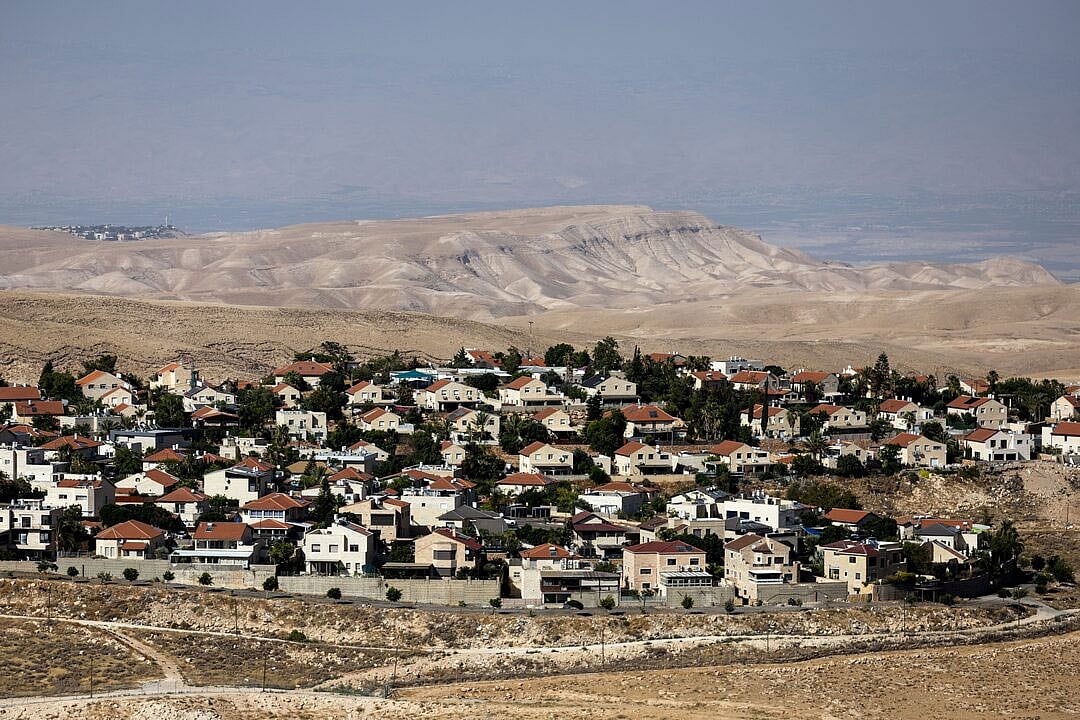
Recent days have seen escalating violence in the West Bank, characterized by settler arson of homes and places of worship, brutal attacks on Palestinian villages, forced displacement of families under threat of arms, and deadly Israeli military operations. This latest wave of violence is presented as a consequence of a deadly clash in the village of Tal in the northern West Bank, where Palestinian men resisted an attack by Israeli settlers, resulting in the deaths of two settlers. Following this incident, Israeli Prime Minister Benjamin Netanyahu vowed to expand military operations against "terrorist strongholds" in the West Bank. Concurrently, Defense Minister Israel Katz stated that expanding Israeli outposts and settlements in the West Bank is a strategic and crucial aspect of Israel's security. The article argues that these actions are not mere reactions but a deep-seated strategy of colonization. For years, the Israeli army's presence in the West Bank was justified by the need to protect settlers. However, the distinction between a soldier and a settler has blurred significantly over the past five years, with settlers often acting with impunity. The strategy involves the Israeli army demoralizing Palestinians through raids, destruction of infrastructure, detentions, torture, and killings, followed by settler incursions, and finally, the government formalizing the occupation by redrawing boundaries. This pattern has been observed in Jenin, where military operations preceded the establishment of new Israeli settlements. The article contends that the Israeli government and security forces not only protect settlers but are also complicit, as soldiers involved in abuses against Palestinians have often been acquitted due to settler lobbying. Labeling the events as mere "settler violence" obscures the systematic colonization strategy. Palestinians have long warned of this escalating violence, with each year breaking records for settlement expansion, land confiscation, and Palestinian deaths. Obstacles to olive harvests and the proliferation of hilltop outposts are seen as gradual aggressions. The author asserts that settler violence, military operations, illegal evictions, and mass arrests all serve the strategic goal of land appropriation, with Israel consistently using the pretext of security to deflect international criticism. The current situation traps Palestinians in a state of ongoing colonial terror, with daily restrictions on movement, violence against children, and public humiliation becoming routine. The recent incident in Tal, where a Palestinian resident killed an armed settler, is seen not as a cause for escalation but as a manifestation of a deeper fear among Israelis that Palestinians can resist. This event is being used as a pretext to accelerate the colonization project, making it more than just a deteriorating situation or isolated violence; it is integral to land seizure. The article concludes that these actions are part of a broader Israeli strategy to redraw maps across Gaza, the West Bank, Jerusalem, and even into Syria and Lebanon, under the guise of security, a narrative that has shielded Israel from international scrutiny for decades.
The presented events in the West Bank highlight a recurring pattern where security justifications are employed to advance territorial expansion and settlement policies. The analysis suggests that the blurring lines between Israeli military actions and settler activities, coupled with administrative measures to formalize land gains, represent a systematic approach to colonization. This strategy, framed by the Israeli government as essential for security, appears to be a long-term project aimed at altering the demographic and geographic realities of the occupied territories. The international community's continued framing of these actions primarily as a "security issue" may inadvertently enable the continuation of this process, rather than addressing the underlying dynamics of territorial acquisition and its impact on the Palestinian population. Future geopolitical stability in the region may depend on a clearer understanding and acknowledgment of these underlying strategic objectives, moving beyond immediate security concerns to address the systemic drivers of conflict and displacement.
AI-generated to prompt reflection — not editorial opinion, not advice, not a statement of fact. How this works.