Israel schedules October elections amid Netanyahu's post-war popularity crisis
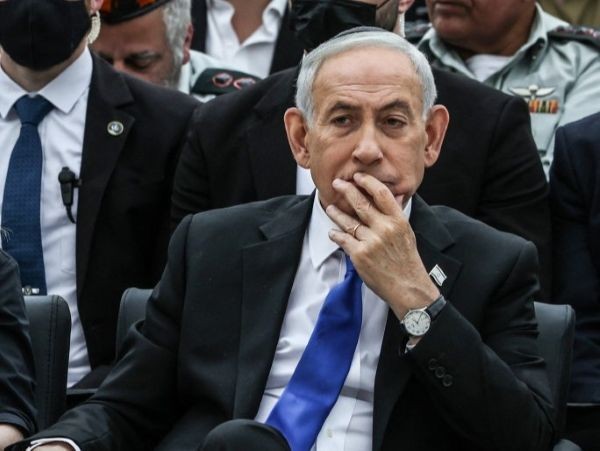
Israel is set to hold national elections on October 27, according to Prime Minister Benjamin Netanyahu's coalition. This vote will be the first since the October 7, 2023 Hamas attack and the subsequent conflicts in Gaza, Lebanon, and Iran. The exact election date had been uncertain since the Israeli Parliament approved its dissolution in May, allowing for early elections. However, the coalition leader, Ofir Katz, confirmed to a parliamentary committee on Sunday, June 12, that the legally stipulated date of October 27 will be observed. Recent polls suggest that Netanyahu's coalition, comprising nationalist and religious parties, would face challenges in winning the election. Nevertheless, his main political rivals currently lack a clear path to power, and the political landscape could shift before the vote. Less than a year after returning to office in 2022 and forming Israel's most right-wing government, Netanyahu's standing, particularly on security matters, has been significantly impacted by the surprise Hamas attack. Surveys indicate public dissatisfaction with the Prime Minister's handling of events, especially following the war's developments. It is uncommon for Israeli governments to complete full four-year terms, and Netanyahu, who has served the longest tenure as leader, is recognized as one of Israel's most resilient political figures.
The scheduling of Israeli national elections on October 27, amidst ongoing regional conflicts and a decline in Prime Minister Netanyahu's popularity, highlights the complex interplay of security imperatives and domestic political pressures. The electoral date, confirmed despite parliamentary dissolution, suggests a strategic calculation to hold the vote when the political landscape, while currently challenging for the incumbent coalition, may not offer a significantly stronger alternative to opposition parties. This situation reflects a recurring pattern in Israeli politics where governments often face early elections due to shifting public sentiment and security challenges. Looking ahead, the electoral outcome will likely be shaped by perceptions of national security, economic stability, and the effectiveness of leadership in navigating protracted regional tensions, particularly in the context of evolving geopolitical alignments and the persistent threat landscape in the Middle East.
AI-generated to prompt reflection — not editorial opinion, not advice, not a statement of fact. How this works.