Israel Worries Saudi Nuclear Deal May Spark Mideast Arms Race
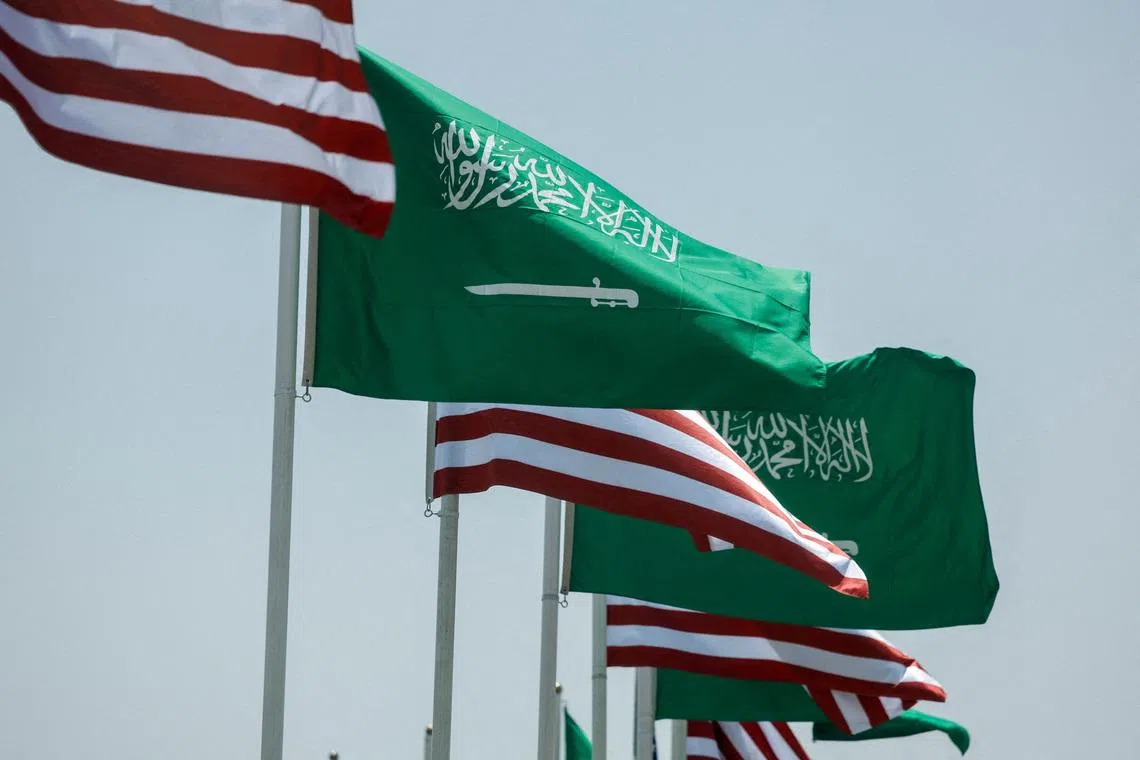
A potential agreement between the United States and Saudi Arabia, which would permit the kingdom to construct nuclear reactors utilizing American technology and to enrich uranium, has raised significant concerns in Israel. Israeli officials fear this development could trigger a new arms race across the Middle East region. The prospect of Saudi Arabia gaining nuclear capabilities, even for civilian purposes, is seen as a destabilizing factor by Israel. This concern stems from the broader geopolitical landscape of the Middle East, where regional rivalries and security perceptions are highly sensitive. The potential for proliferation of nuclear technology or materials in an already volatile region is a primary driver of these fears. Israel has historically maintained a policy of ambiguity regarding its own nuclear capabilities, and the potential emergence of another regional power with nuclear ambitions is a significant strategic consideration.
The proposed US-Saudi nuclear deal introduces complex geopolitical dynamics. From a systemic perspective, the expansion of nuclear enrichment capabilities in the Middle East, even under civilian pretenses, inherently raises proliferation risks. This event highlights the tension between energy security, technological advancement, and regional stability. The incentive structures for nations to pursue nuclear programs often involve perceived security threats and the desire for technological parity. Looking ahead, the next decade will likely see increased scrutiny on international nuclear agreements, driven by both the imperative for clean energy solutions and the ongoing challenges of non-proliferation. The long-term implications for regional arms control and the balance of power will depend on robust verification mechanisms and transparent governance frameworks.
AI-generated to prompt reflection — not editorial opinion, not advice, not a statement of fact. How this works.