Israeli Doctor Credited with Saving Turkish President Erdogan's Life
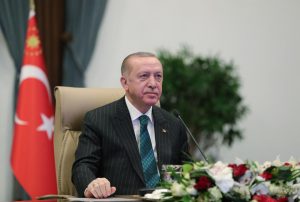
A former spokesperson for the Ichilov Hospital in Israel has stated that an Israeli doctor, dispatched to Turkey at the request of Mossad and with the approval of Prime Minister Benjamin Netanyahu, saved the life of Turkish President Recep Tayyip Erdogan when he was diagnosed with cancer. Avi Shushan, who previously served as the spokesperson for the Sourasky Medical Center, made this claim, as reported by Israel National News. The report suggests a significant medical intervention was provided to the Turkish leader by an Israeli medical professional. This event highlights a discreet but potentially impactful collaboration between Israeli and Turkish entities, even amidst complex geopolitical relations. The involvement of Mossad and the Israeli Prime Minister's office indicates the high-level nature of this medical assistance. The specific details of Erdogan's illness and the medical procedure performed remain undisclosed in this report. The assertion that Erdogan is alive "thanks to a Jew" underscores the personal nature of the intervention and its potential symbolic significance.
This report details a purported life-saving medical intervention by an Israeli doctor for Turkish President Recep Tayyip Erdogan, allegedly facilitated by Mossad and approved by Israeli Prime Minister Benjamin Netanyahu. The narrative emphasizes a humanitarian act transcending political divides, positioning the Israeli medical team as instrumental in Erdogan's survival. From a systemic perspective, such covert medical diplomacy, if accurate, could represent a pragmatic channel for de-escalation or maintaining essential communication between nations with strained relations. It also raises questions about the transparency of high-level medical care and the potential for such interventions to influence geopolitical dynamics. The framing of the event as a personal debt owed to an Israeli doctor could be leveraged to foster goodwill, though the underlying geopolitical incentives and the long-term implications for bilateral relations warrant careful consideration.
AI-generated to prompt reflection — not editorial opinion, not advice, not a statement of fact. How this works.