Israeli Knesset Dissolved, Paving Way for New Parliamentary Elections
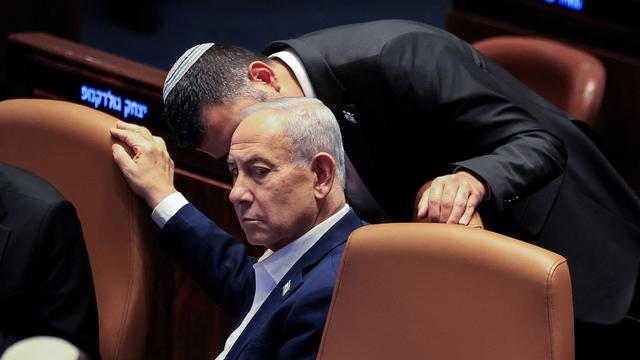
The Israeli parliament, the Knesset, has been dissolved, officially ending the current legislative period. This dissolution sets the stage for new parliamentary elections to be held in the country. Prime Minister Benjamin Netanyahu expressed his hopes for the upcoming elections. He stated his desire to form a 'broadly based national government' following the vote. The move signifies a significant political development in Israel, as the nation prepares to elect its representatives once again. The specific date for the elections has not yet been announced, but the dissolution of the Knesset is the formal step initiating the electoral process. Prime Minister Netanyahu's statement suggests a focus on forming a coalition that can command a wide consensus, potentially indicating a desire for stability or a response to the current political climate.
The dissolution of the Knesset and the subsequent call for elections reflect a common dynamic in parliamentary democracies where legislative deadlock or political instability can necessitate a fresh mandate from the electorate. Prime Minister Netanyahu's stated goal of forming a 'broadly based national government' suggests an awareness of the need for broad consensus and coalition building in the current political landscape. This approach may be driven by the incentive to achieve greater legislative stability and governability, particularly in a region characterized by complex geopolitical challenges. Looking ahead, the electoral outcome and the subsequent government formation will be crucial in shaping Israel's policy direction over the next decade, especially concerning its regional relations and domestic priorities, in the context of evolving global technological and societal trends.
AI-generated to prompt reflection — not editorial opinion, not advice, not a statement of fact. How this works.