ITA Airways to Allow Dogs Up to 30kg in Aircraft Cabins
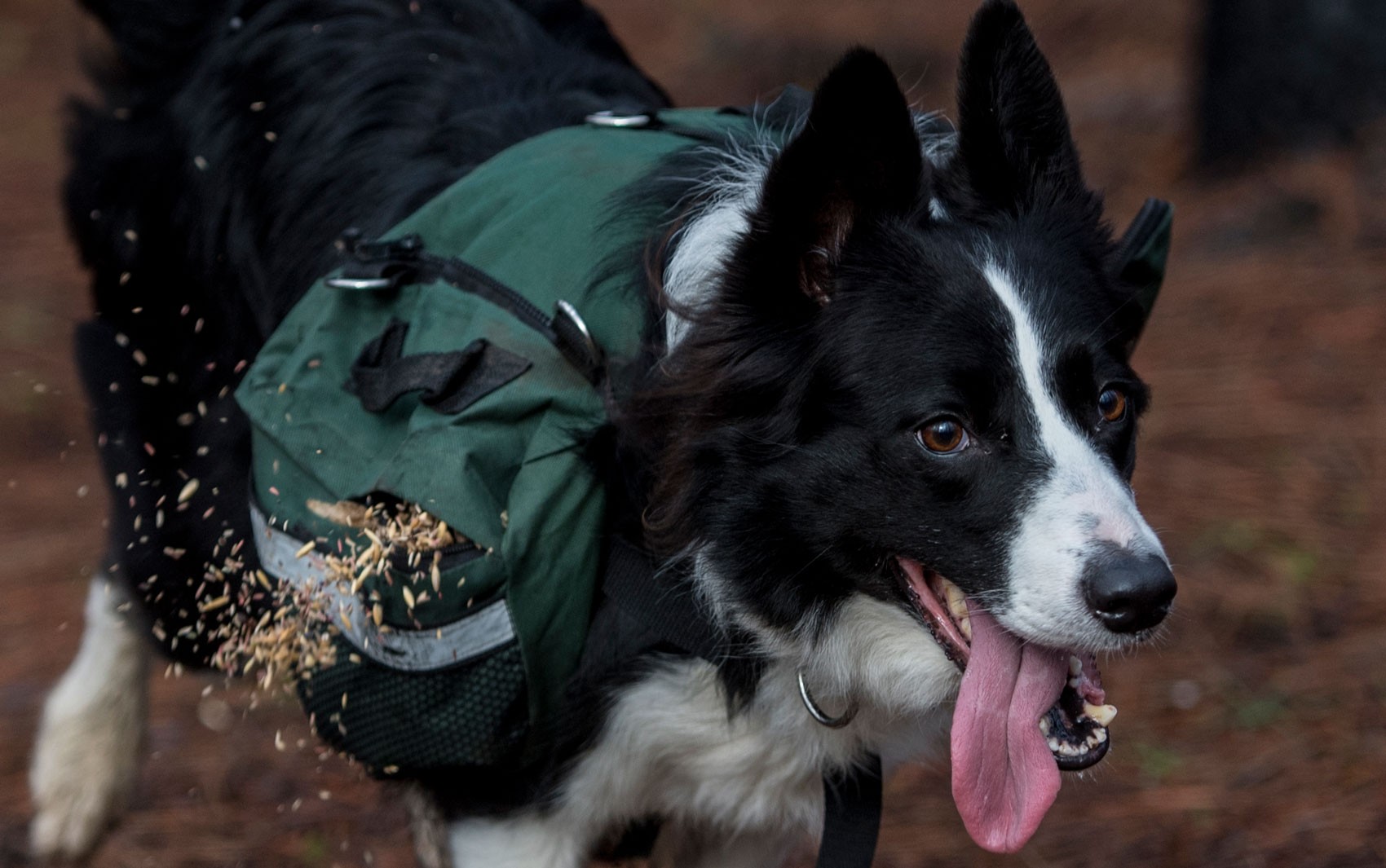
ITA Airways, the Italian subsidiary of Lufthansa, has announced a new policy allowing passengers to bring dogs weighing up to 30 kilograms into the aircraft cabin without a carrier. This new service, named "Large Dog On Board," will commence on August 3, 2024, starting with select domestic flights from Rome. Eligible breeds for this weight category include German Shepherds, Dalmatians, and Bull Terriers. Initially, the airline will permit a maximum of two large dogs per flight: one up to 30kg in business class and another up to 15kg in economy class. The airline had previously tested this initiative in February, with two large dogs traveling successfully from Milan to Rome without carriers. The Italian Civil Aviation Authority (ENAC) has approved this new service. ITA Airways plans to gradually expand the offering to more domestic routes and eventually to international flights. The airline has stated that passengers with dog phobias or allergies can request seat changes. Joerg Eberhart, CEO of ITA Airways, expressed that this change accommodates customer requests and enhances travel comfort for families with pets. This development follows a European Court of Justice ruling that classified pets in cargo holds as "baggage." In Brazil, regulations vary by airline, with most allowing only small pets in carriers within the cabin, while larger animals must travel in cargo. Brazil's National Civil Aviation Agency (Anac) does not set a universal weight limit for cabin pets, leaving it to individual airlines. A pending bill in Brazil, known as "Lei Joca," aims to establish national guidelines for pet transport, potentially allowing animals up to 50kg in the cabin based on Anac-defined safety criteria.
This policy shift by ITA Airways reflects a growing trend in the travel industry to accommodate pet owners, driven by evolving consumer expectations and a competitive market. By allowing larger dogs in the cabin, the airline aims to enhance customer satisfaction and potentially attract a new segment of travelers. However, this decision introduces complex operational and safety considerations, including managing potential allergies, phobias among other passengers, and ensuring the well-being of animals during flights. The airline's stated commitment to offering seat changes for affected passengers and its phased rollout suggest an awareness of these challenges. Future success will likely depend on robust implementation, clear communication, and continuous adaptation based on passenger feedback and regulatory oversight, particularly as the company considers international expansion.
AI-generated to prompt reflection — not editorial opinion, not advice, not a statement of fact. How this works.