Itaiópolis, Santa Catarina, Officially Becomes Capital of Polish and Ukrainian Cultures
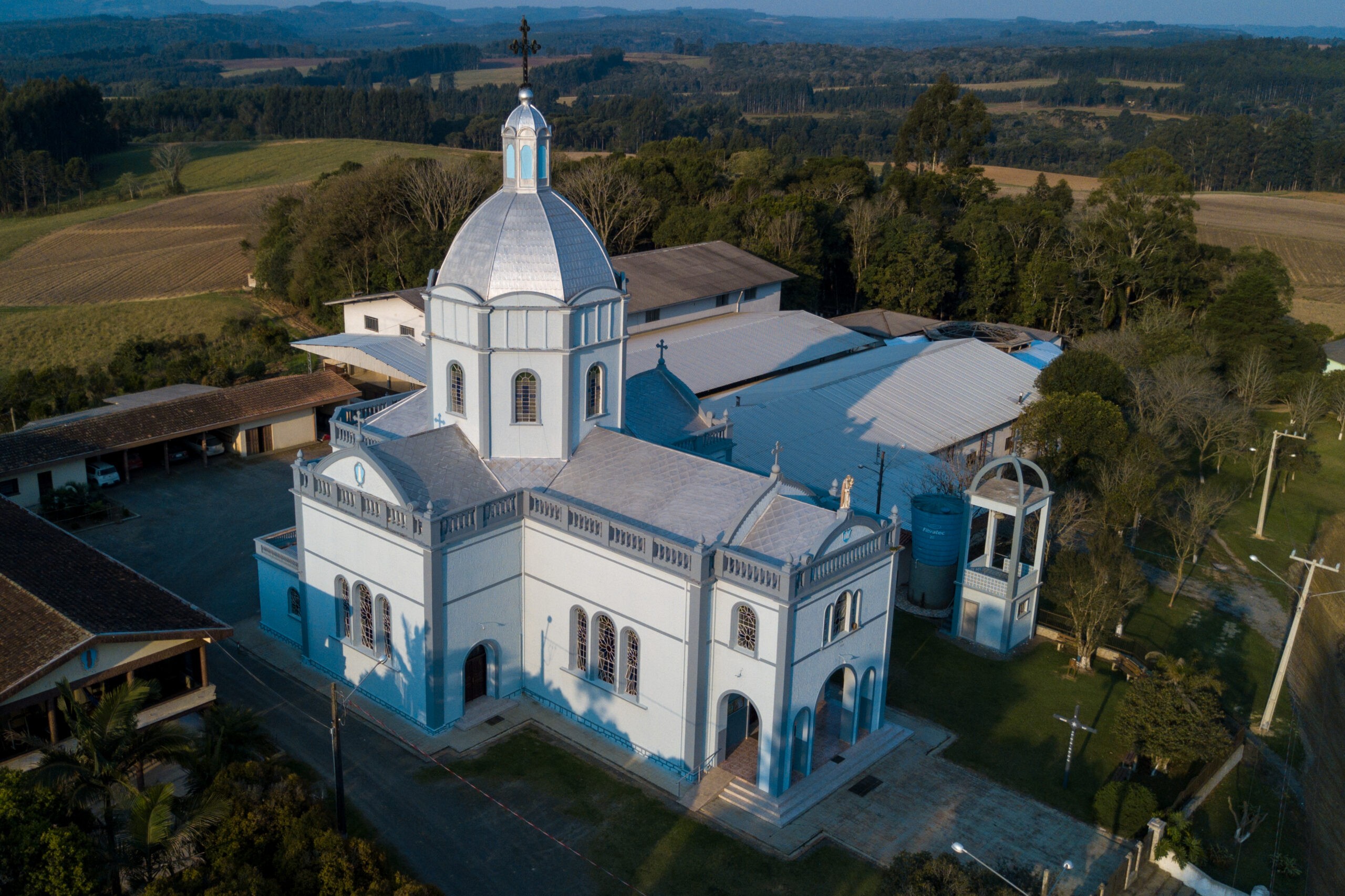
A new state law in Santa Catarina, Brazil, has officially recognized the significant historical influence of Ukrainian culture in the formation of the city of Itaiópolis. Previously designated as the "Santa Catarina capital of Polish culture," Itaiópolis will now also hold the title of "Santa Catarina capital of Polish and Ukrainian cultures." This recognition is formalized by state law number 20.017/2026, which amends the existing state law 16.722/2015 that governs municipal designations. The proposal for this change originated from the municipality itself, highlighting the deep historical, cultural, and religious contributions of Ukrainian communities to Itaiópolis's identity. The city boasts several key elements of Ukrainian heritage, including the first Ukrainian Byzantine Rite church in Santa Catarina, established in 1895, along with other Byzantine-style churches. It also features a Ukrainian Traditions Space, folk groups, the Slavic Faith Circuit, and a Penitential Pilgrimage, with customs passed down through generations. The Polish culture's influence remains a prominent aspect of the city's history, evident in its architecture, religious practices, cuisine, language, and other cultural expressions, solidifying Itaiópolis's status as a major center for Slavic immigration in Santa Catarina.
This legislative update formally acknowledges the multicultural heritage of Itaiópolis, reinforcing its identity as a hub for Slavic immigration. By officially recognizing both Polish and Ukrainian contributions, the municipality leverages its historical narrative to potentially enhance cultural tourism and community pride. This move could foster greater inter-community dialogue and preservation efforts, ensuring that the distinct traditions of both groups are maintained and celebrated. In the context of an increasingly globalized world, such recognition highlights the value of preserving diverse cultural legacies and their role in shaping regional identity, potentially serving as a model for other communities with similar historical immigrant influences.
AI-generated to prompt reflection — not editorial opinion, not advice, not a statement of fact. How this works.