Italian Deputy PMs Clash Over Proposed Cigarette Tax Hike
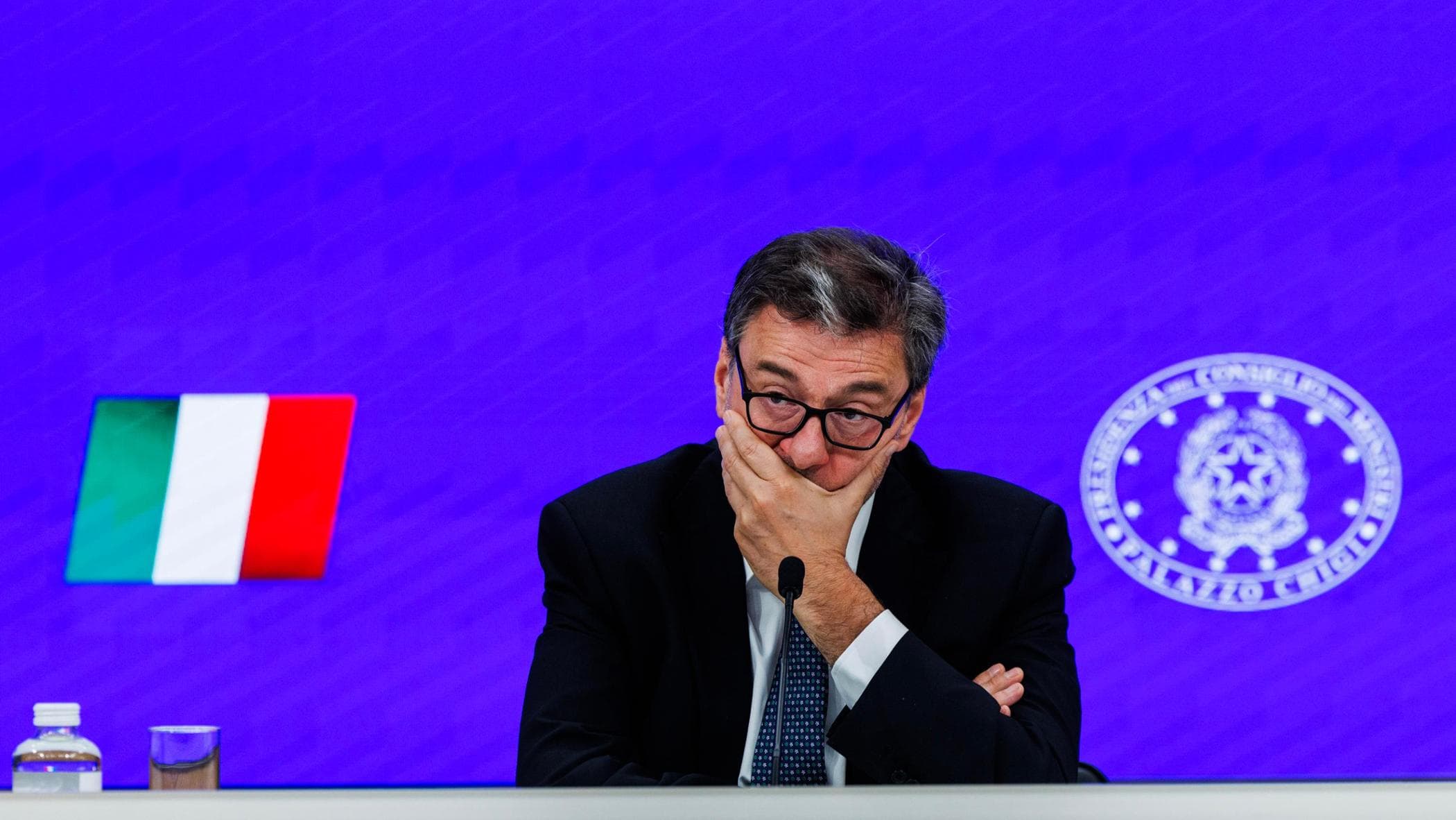
A significant disagreement has emerged among Italian Deputy Prime Ministers Matteo Salvini and Antonio Tajani regarding a proposed tax increase on cigarettes. The two leaders have voiced strong opposition to introducing new taxes, particularly those aimed at reducing consumption, arguing that such measures could lead to a reduction in other taxes. This internal conflict within the government was evident at a recent summit where tensions and 'poison' were reported. Following the strong resistance from Salvini and Tajani, Prime Minister Giorgia Meloni quickly signaled a retreat from the proposed tax hike. The government's apparent backtrack suggests a compromise or a shelving of the plan to impose new excise duties on tobacco products. The debate highlights the complex balancing act Italian policymakers face in managing public health initiatives alongside fiscal pressures and potential public backlash.
The Italian government's internal debate over a potential cigarette tax increase reflects a common policy tension between public health objectives and fiscal considerations, further complicated by inter-party political dynamics. Deputy Prime Ministers Salvini and Tajani's opposition, framed around avoiding new taxes and potentially impacting other revenue streams, suggests a prioritization of immediate economic concerns or voter sentiment over public health interventions. Prime Minister Meloni's rapid retraction indicates the significant political capital required to implement such measures, especially when facing unified opposition from key coalition partners. This situation underscores the challenges of policy coherence within coalition governments, where differing ideological stances and constituent interests can lead to policy paralysis or reversals. Looking ahead, the government will need to navigate these competing pressures, potentially exploring alternative strategies for public health promotion or revenue generation that do not trigger such strong internal resistance.
AI-generated to prompt reflection — not editorial opinion, not advice, not a statement of fact. How this works.