Italian Deputy PMs Tajani and Salvini in talks; Meloni weighs options on electoral reform
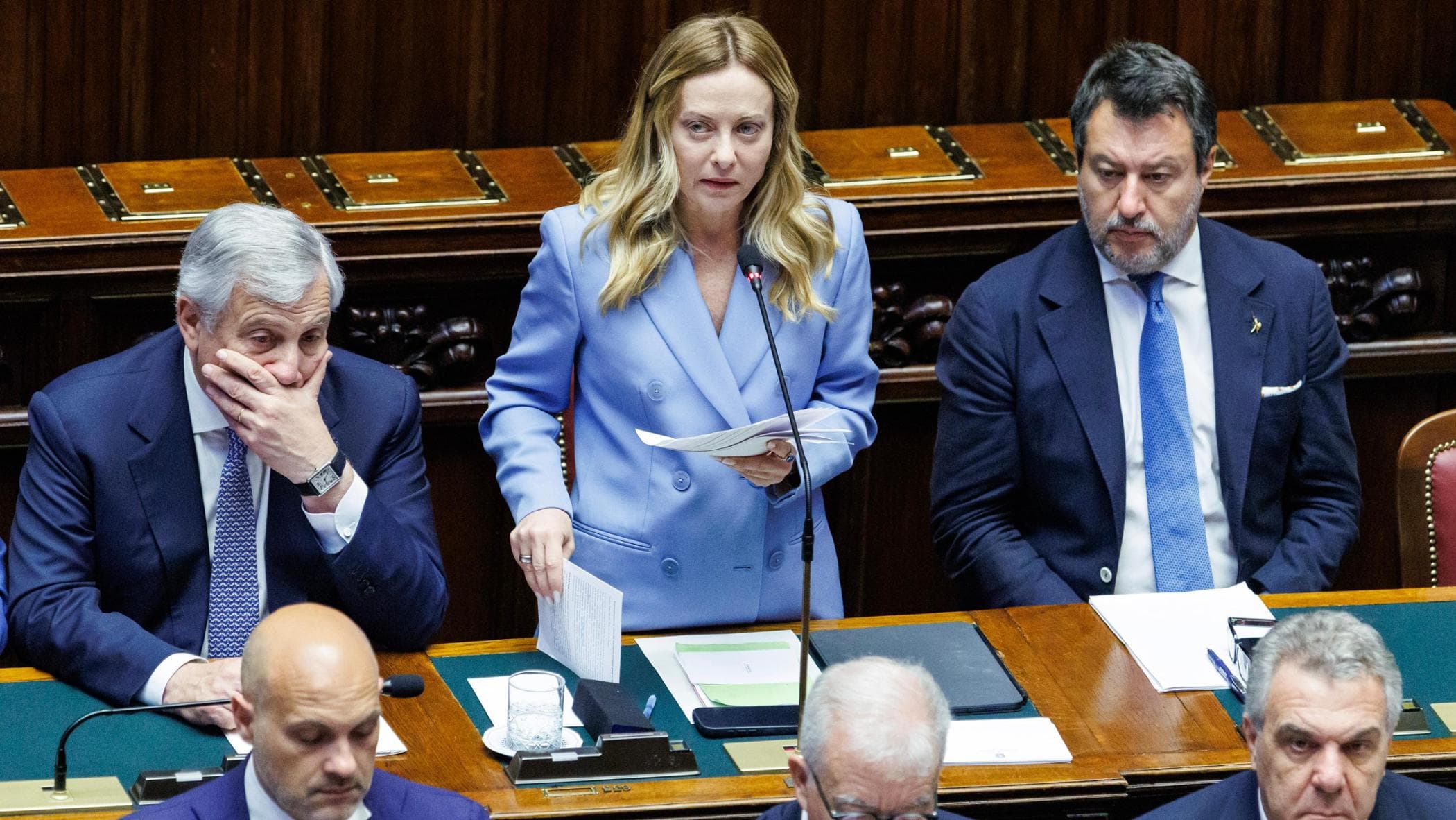
Italian Deputy Prime Ministers Antonio Tajani and Matteo Salvini have reportedly been in contact regarding potential electoral reforms. The discussions come as Prime Minister Giorgia Meloni is reportedly considering her options, particularly if a proposed change to allow voter preferences in elections is rejected.
Meloni is said to be exploring the implications of continuing with the current electoral law, known as the Rosatellum, should the preference vote amendment fail. This suggests a strategic maneuver by the Prime Minister to assess the political landscape and potential outcomes based on the success or failure of the proposed amendment.
The reported interactions between Deputy Prime Ministers Tajani and Salvini, alongside Prime Minister Meloni's strategic considerations regarding electoral law, highlight the complex dynamics of coalition governance in Italy. Political leadership often involves navigating competing interests and anticipating legislative outcomes to maintain stability and advance policy agendas. The potential recalibration of strategy based on the success or failure of specific electoral reforms, such as the preference vote, reflects a common incentive structure in parliamentary systems where legislative mechanics directly influence political power and electoral prospects. This situation invites an examination of how institutional rules can shape political behavior and the ongoing negotiation process within government.
AI-generated to prompt reflection — not editorial opinion, not advice, not a statement of fact. How this works.