Italian Election Law Reform: Tajani Meets Meloni Amidst Political Maneuvering
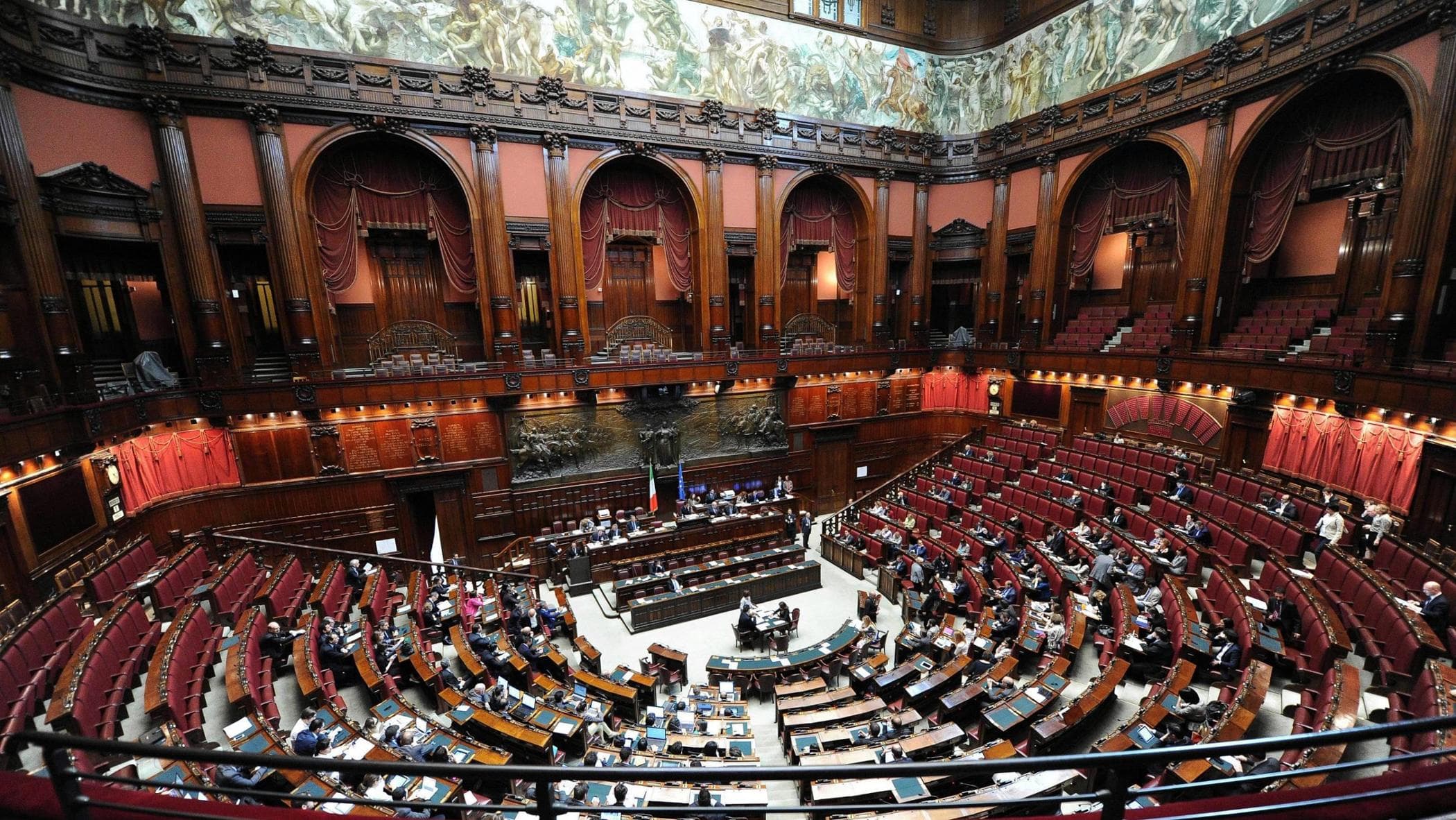
Italian Prime Minister Giorgia Meloni hosted Forza Italia leader Antonio Tajani for a lunch meeting at Palazzo Chigi. The meeting focused on proposed reforms to Italy's electoral law, specifically concerning the abolition of preferential voting. Tajani reportedly conveyed a sense of urgency, suggesting that inaction on this front could lead to negative consequences, possibly implying judicial intervention. The legislative process for these reforms is set to begin in the Senate today. Meloni's Brothers of Italy party has communicated to its coalition allies that if the proposed changes are not made, the Constitutional Court might step in. This indicates a complex political landscape where coalition dynamics and potential judicial oversight are shaping the electoral reform debate.
The proposed electoral law reform in Italy, particularly the debate around preferential voting, highlights a tension between political party control and direct voter influence. The urgency expressed by Forza Italia's leader and the implied threat of Constitutional Court intervention suggest a strategic maneuver to expedite legislative action. This situation reflects broader trends in democratic systems grappling with electoral mechanics, where reforms are often driven by a mix of perceived fairness, party advantage, and the potential for judicial review to resolve legislative impasses. The next decade will likely see continued evolution in electoral systems as technology and societal expectations shift, potentially leading to further calls for reforms that balance representation with governability.
AI-generated to prompt reflection — not editorial opinion, not advice, not a statement of fact. How this works.